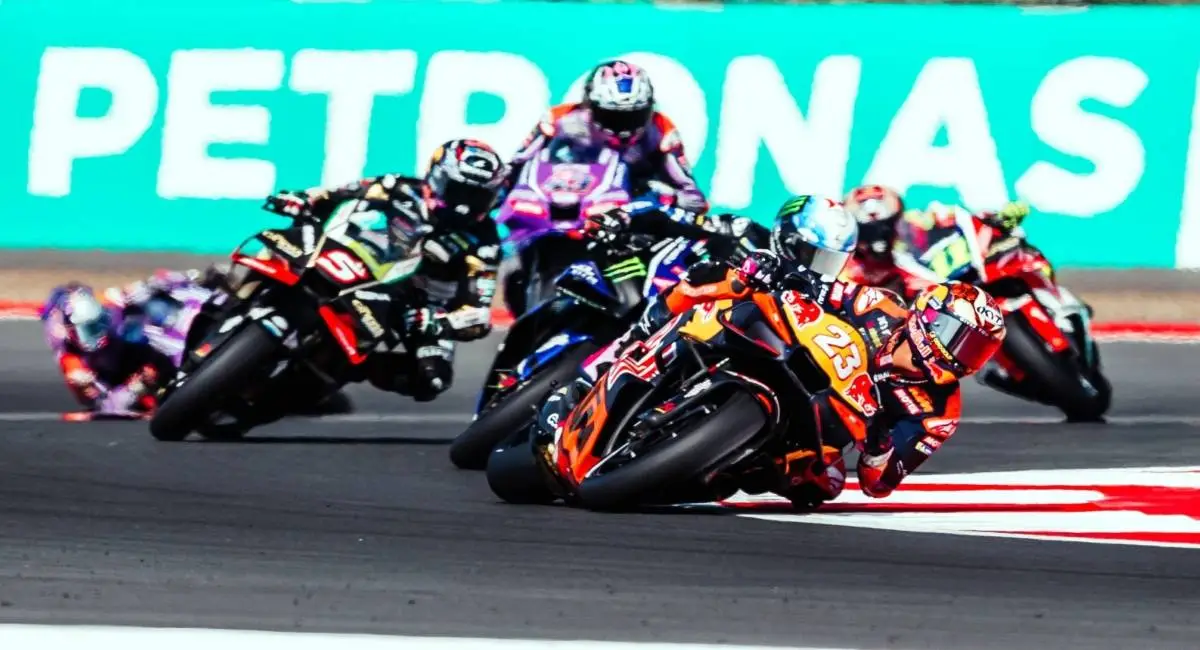
A promising start: the result of the Thailand GP Sprint race was decided at the table. Marc Marquez had won on track, but for those in charge it was better to let someone else win. It’s showtime at all costs, darling.
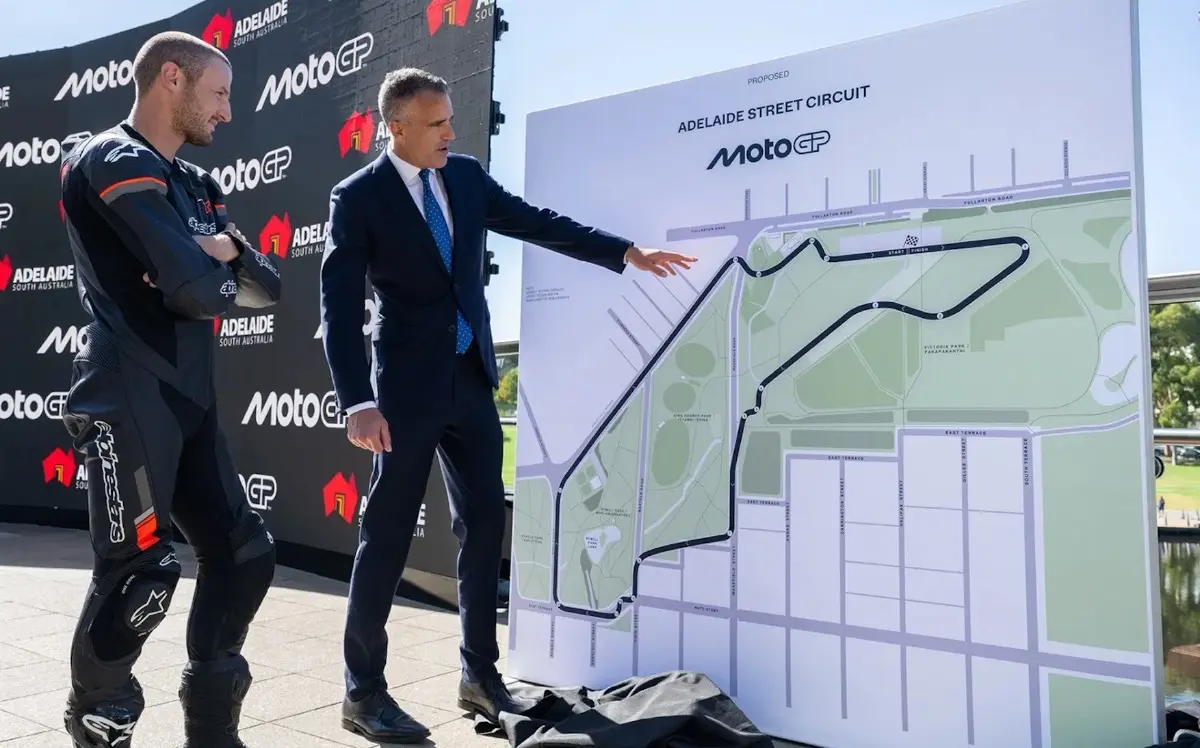
Since the Americans at Liberty Media bought MotoGP, we’ve done nothing but wonder: what will they do to grow the sport we love? They took a few months to get up to speed, but now, in the short span of ten days, they’ve sent us two signals that make the trend very clear. In 2027, Australia will race on the street circuit in Adelaide, instead of the traditional, beautiful, undulating Phillip Island. And right out of the gate, they overturned the sporting outcome of the season’s first showdown with a farcical decision.
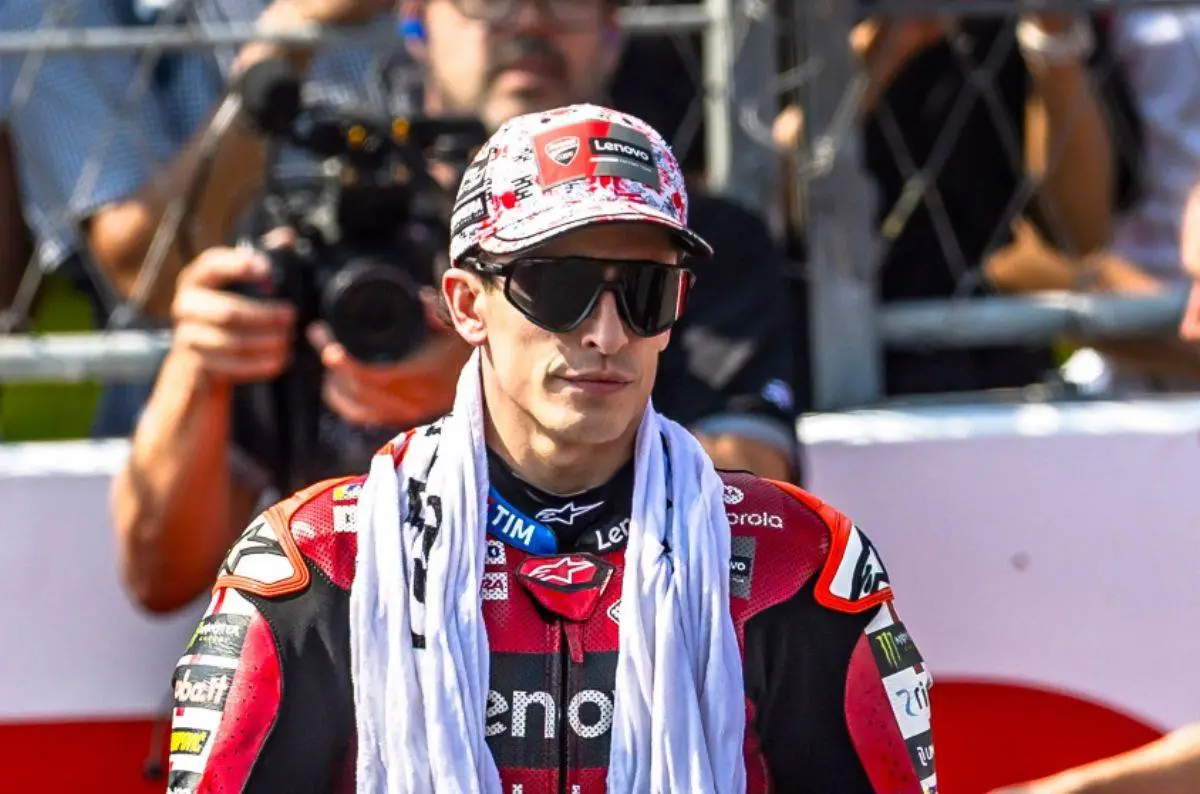
Marc Marquez, not even up for debate
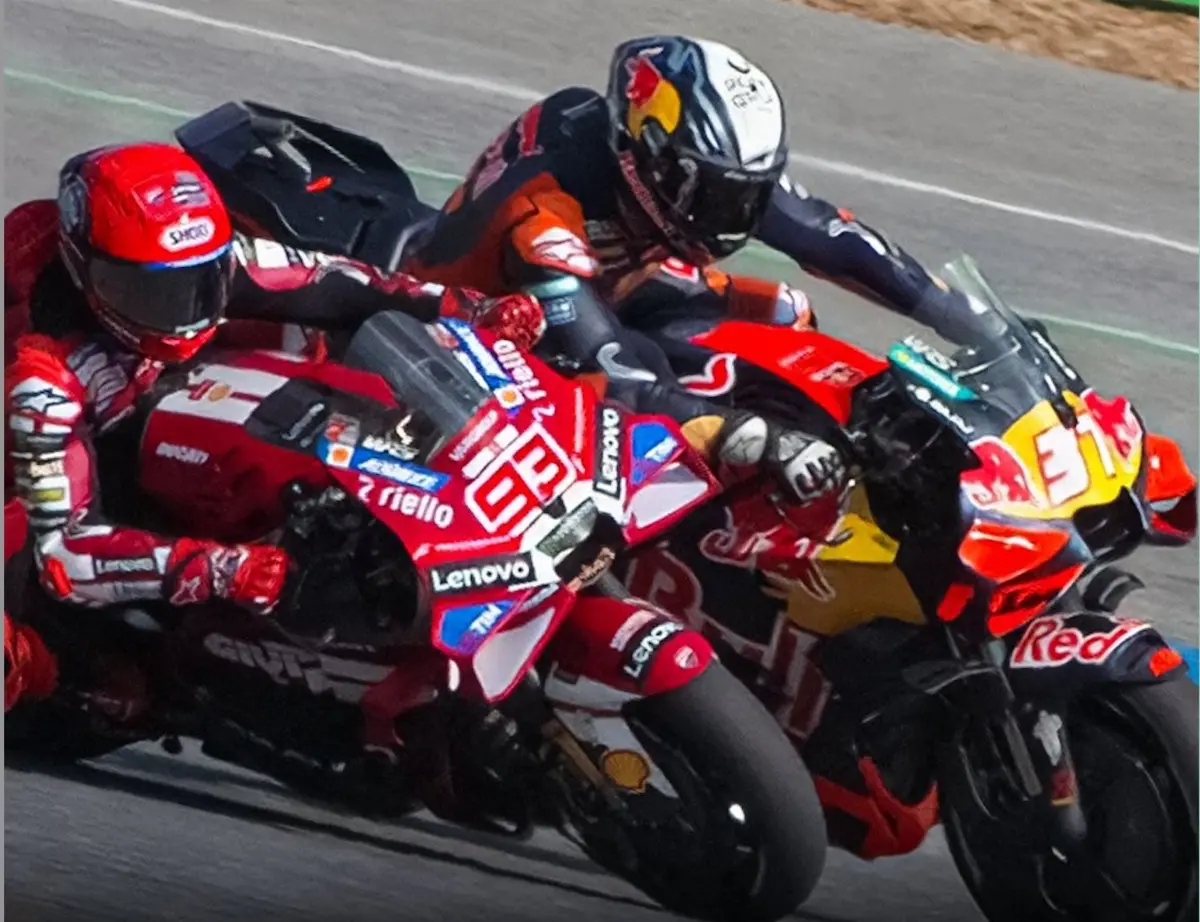
Getting into the merits of the issue—whether the reigning World Champion’s overtake on Pedro Acosta deserved a penalty or not—is an exercise we gladly leave to those who started watching bike races last Sunday. The legality of the move the World Champion pulled off on the penultimate of the thirteen scheduled laps is crystal clear: he didn’t touch his rival, and he didn’t force him off line. It was a borderline overtake, perfectly legitimate. If that were forbidden, almost all the frantic race finishes I’ve followed for forty years would need to be rewritten.
Even Pedro Acosta preferred to lose
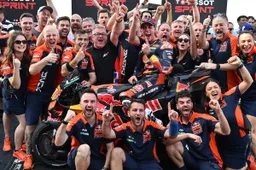
The situation was incredible, and the riders themselves underlined it. Marc Marquez, obviously, was upset, and when he saw “drop 1 position” flashing on the Ducati’s dashboard, he visibly slowed to make it clear to the world that the outcome of this duel would be distorted. But even more striking was the stance taken by the one who benefited. “Better to finish second than win like this,” Pedro Acosta quipped. He’s only 21, but he’s already a character, beyond his immense talent: Ducati has made a great pick for next year.
So why did they decide this way?
The verdict was lightning-fast: usually Race Direction takes a long time to review the footage, and maybe mull it over a bit; this time they decided in a few seconds that the pass which decided the race wasn’t acceptable. A decision so devoid of logical sense that it’s hard not to see behind it a deliberate intent to manufacture debate, controversy, and pathos. Had Marc Marquez won, we’d be here commenting on yet another gem from the all-conquering star of this era. Instead, the stewards completely flipped the storytelling: Pedro Acosta’s first victory, paired with the champion deemed too audacious and then penalized, sent interest soaring.
The new order rising
“This isn’t sport anymore” is the comment circulating on social media right now. That claim is a bit too radical: MotoGP is, if anything, a sport in rapid transformation. For the new owners—the same as Formula 1—it’s not enough that the pinnacle of motorcycling keeps appealing to the “hardcore base,” the long-time, steadfast fans. They’re chasing a new audience, younger, less experienced, and thus unable to make comparisons with the past. The audience of the future seeks “spectacle,” twists, narrative. The MotoGP of the future will look like a video game, where if the wrong avatar wins you reset the match, or you give him a handicap so the one you like better survives.
There you have it: the new frontier. Whether you like it or not.
Continue reading
You might also like
More news

Popular articles

Loading