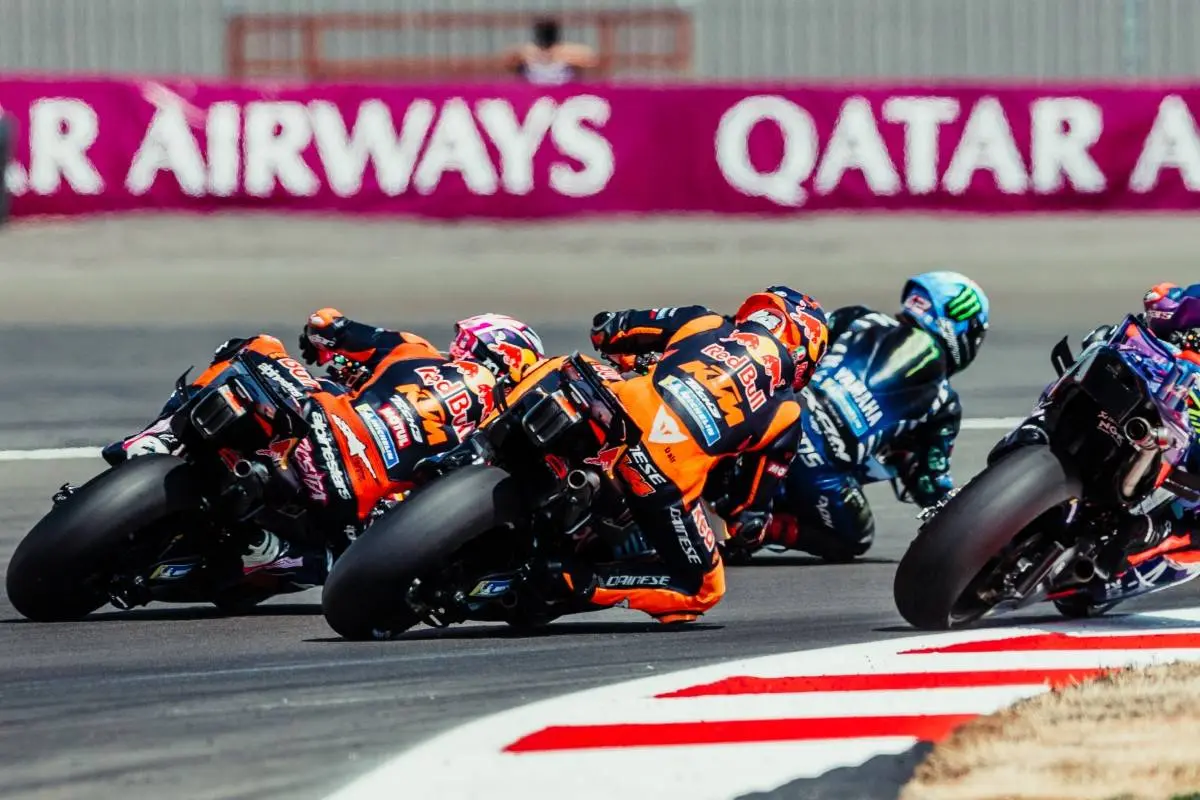
The new technical era of MotoGP, which will come into effect with the regulatory cycle starting in 2027, presents multiple aspects that make it a true revolution. While the reduction in engine displacement (from 1000cc to 850cc), minimum weight (from 157 to 153 kg), the removal of the rear ride-height device, and a total 5 cm reduction in wings (2.5 cm per side in overall width) stand out, there are two other areas where manufacturers are focusing their efforts and attention.
TIRES WILL BE THE KEY THEME
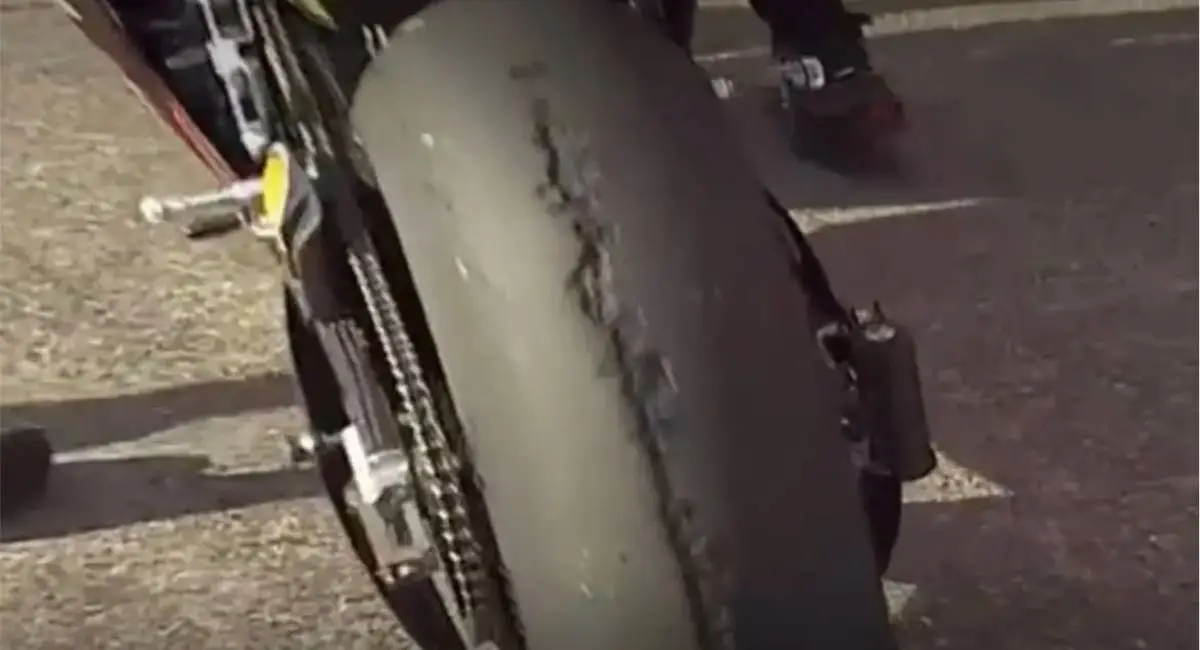
According to many engineers, at least initially the key will be understanding the Pirelli tires. MotoGP prototypes are developed “on rubber,” and consequently, gaining an early and deep understanding of the correct operation and usage range of the Pirelli specifications will make a significant difference. By definition and construction philosophy, these tires are, if not diametrically opposed to the Michelins, very close to it. Analyzing tire performance will be a crucial factor, as evidenced by the initial data collected by manufacturers in the various tests carried out so far.
ECO-SUSTAINABLE FUELS
Another element flying under the radar is the adoption of fuels 100% derived from sustainable, non-fossil sources. Together with their respective partners, MotoGP manufacturers have long been developing the best possible product, one that does not compromise peak performance and, just as importantly, does not cause engine reliability issues. From this standpoint, those who can count on partners already involved in Formula 1 are ahead of the game. Early findings have confirmed only a modest loss in performance, in contrast to companies with limited experience in motorsport. Since there will be no single supplier in this regard, at least in the early part of the season, it will be no surprise to see performance differences between manufacturers due precisely to the development of the new “eco” fuels.
“In Testa” the biography of Jonathan Rea - In all physical and online bookstores. To order on Amazon Books
Continue reading
You might also like
More news
Popular articles
Loading