by Marc Seriau/paddock-gp
No innovation introduced in MotoGP can be protected by a patent on the track, but Aprilia has specialized in patenting its inventions for road use, even if they originate from the premier class of Grand Prix racing.
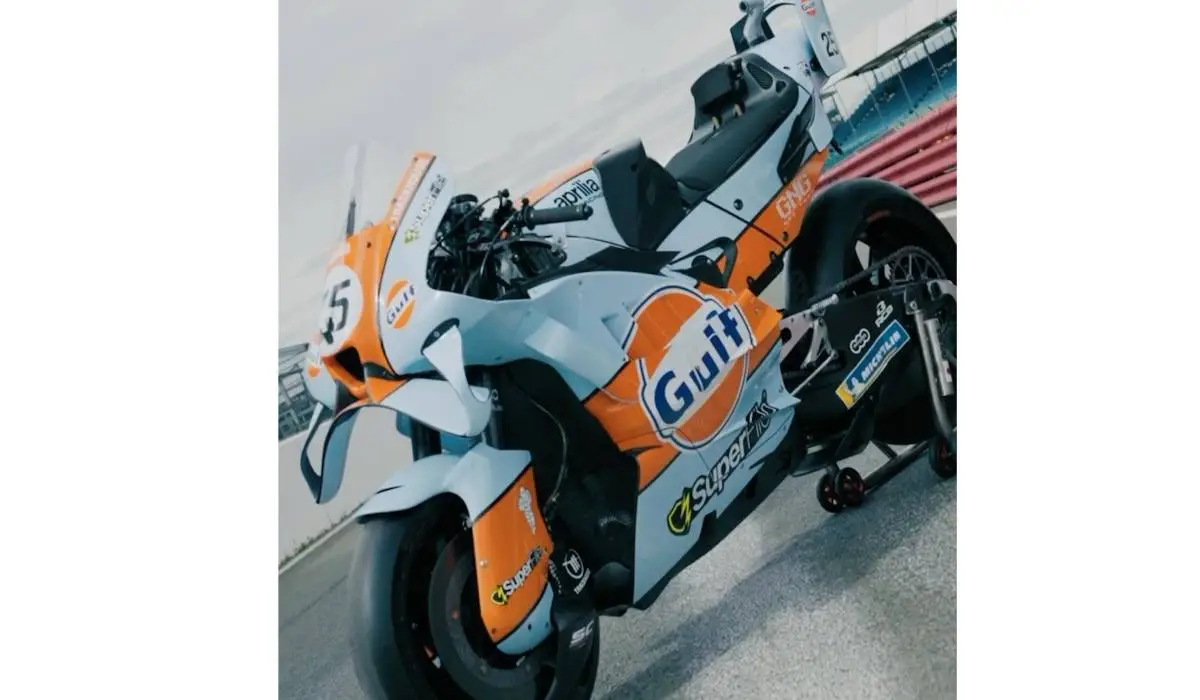
In this case it is perfectly legitimate, since the innovation was born from the minds in Noale, which is not always the case with patents filed by various manufacturers. These are the fins, officially called "leg wings", which we discussed here, introduced by Aprilia and then copied by Honda and Ducati.

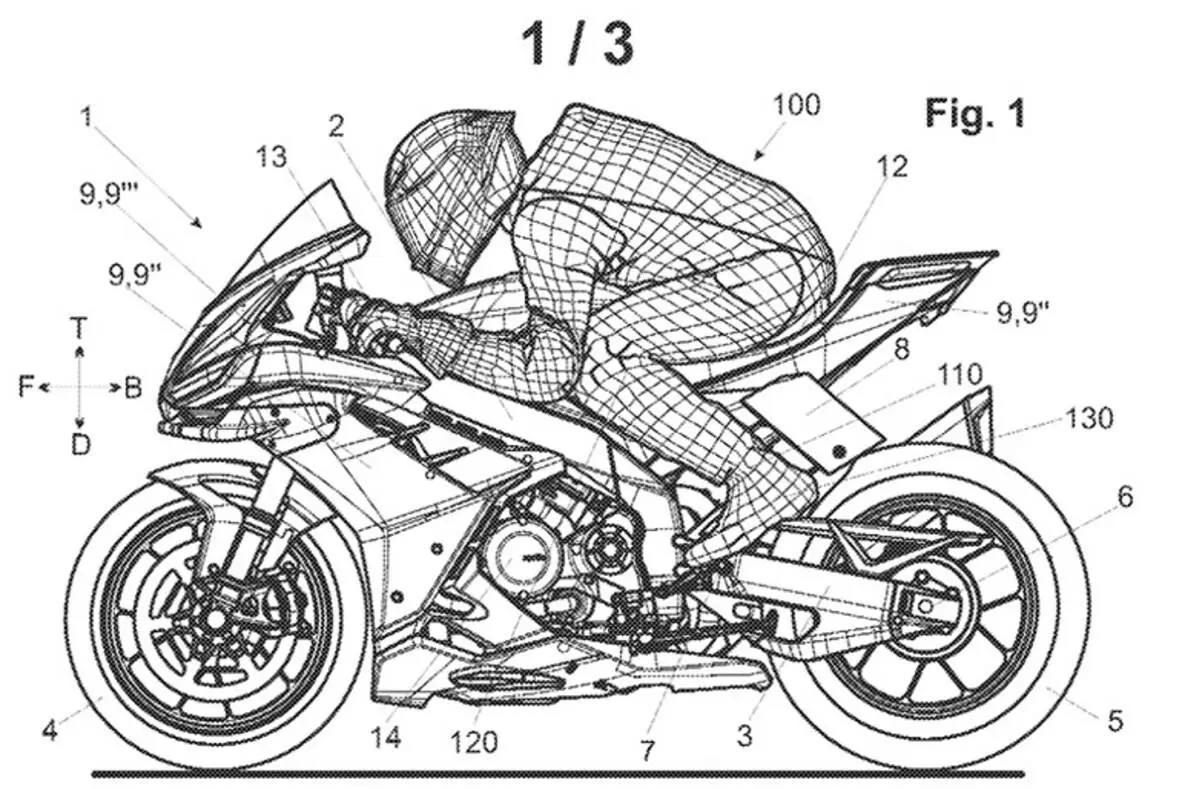
According to the patent published at the beginning of this year, the system aims to improve the aerodynamics of a sport motorcycle by using appendages positioned behind the rider’s legs. These appendages are located at the rear of the motorcycle, roughly at the height of the rider’s calves/thighs. Piaggio explains they want to achieve the following:
- reduce the overall aerodynamic drag of the motorcycle/rider;
- optimize the airflow around the rider, an area that has become critical at current speeds;
- generate additional lateral support in corners when the rider hangs off the bike.
The patent only covers the “drift” portion, which on the RS-GP is complemented by a wing section. However, the same expected effects are achieved.
– In a straight line, the fin serves to channel air around the legs and limit the turbulence generated by the rider’s lower limbs.
– In corners, when the rider extends the knee/shifts body weight, the bike is more exposed to the relative wind. This creates an asymmetric aerodynamic load, which helps stabilize the motorcycle and improve grip/stability in fast bends.

For production bikes, Piaggio emphasizes that the system could be removable/interchangeable, potentially replacing passenger footpegs for track use.
The patent clearly shows that Aprilia is seeking to bring certain MotoGP-derived aerodynamic solutions to the road, especially after popularizing “ground-effect wings” on the RS 660 Trofeo / RSV4 XTrenta.

Read also


Continue reading
You might also like


More news


Popular articles




Loading