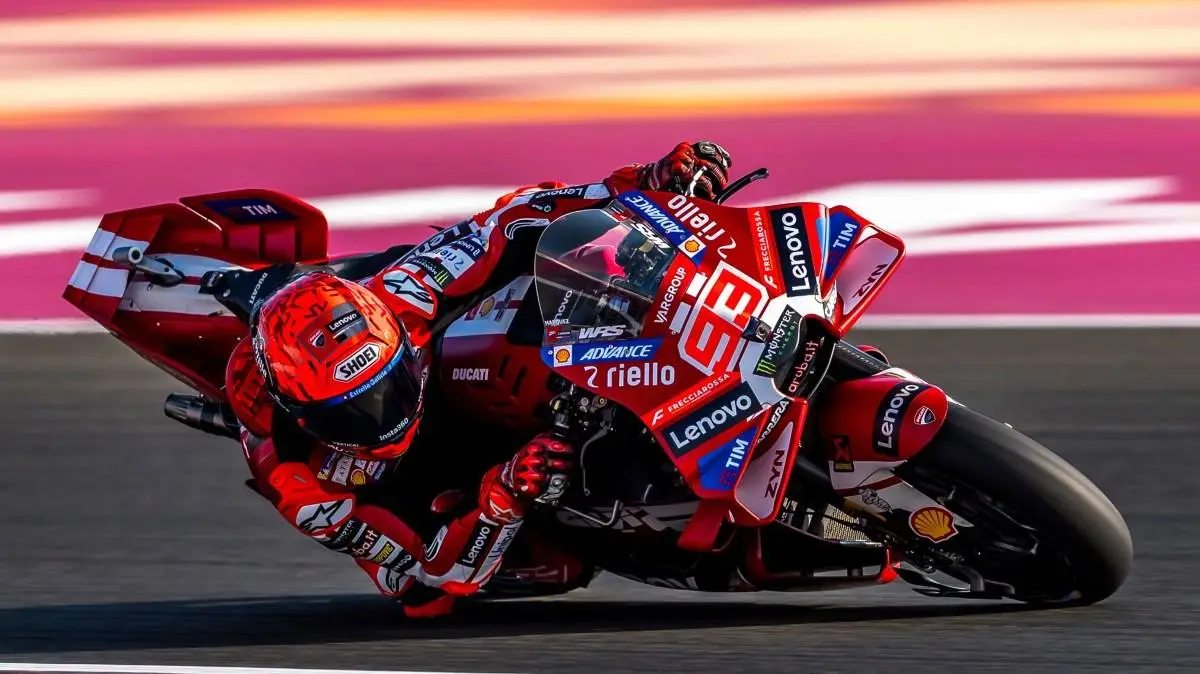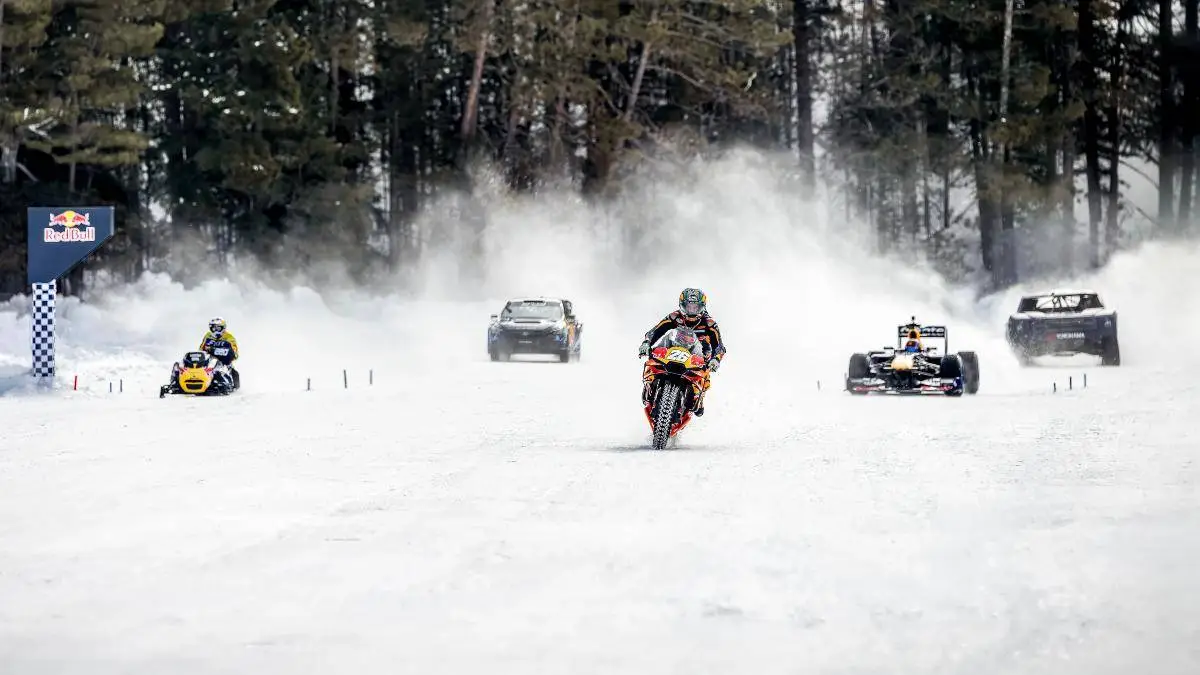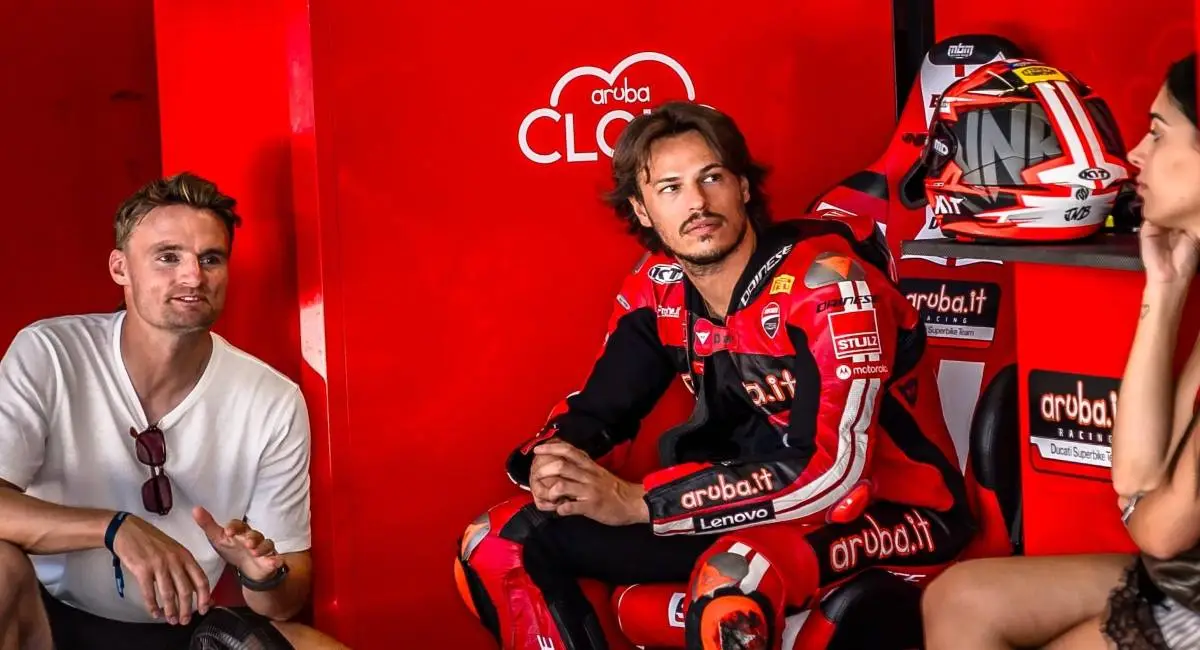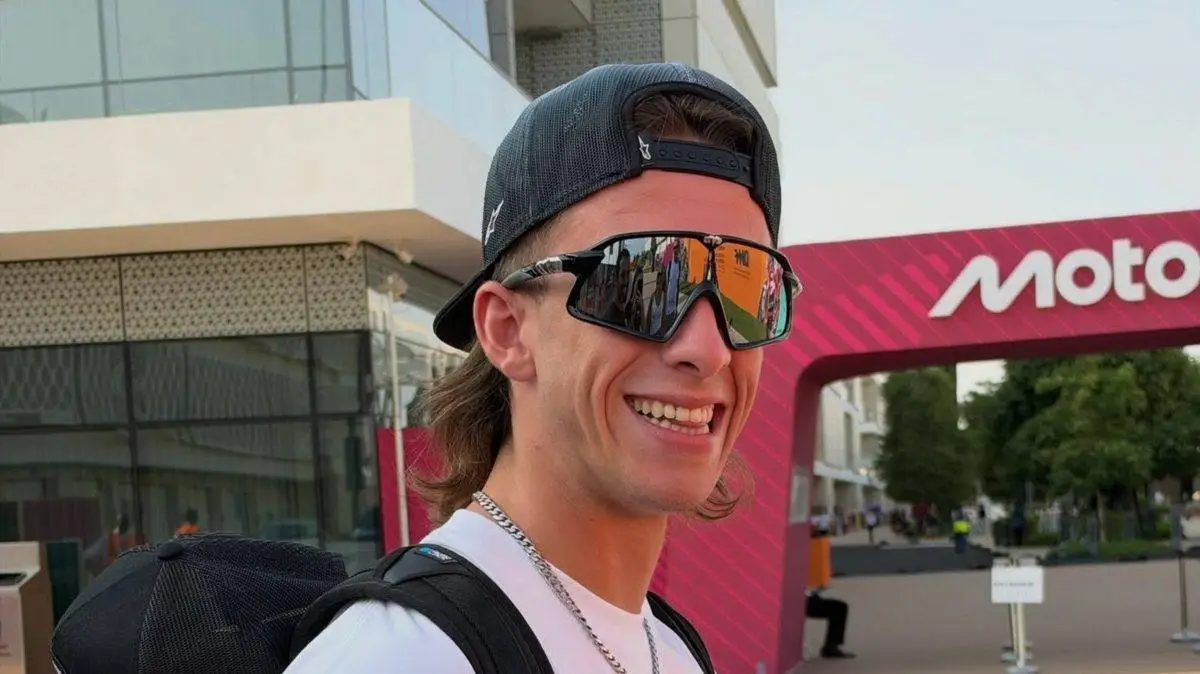
Pedro Acosta is about to bring his MotoGP adventure with KTM to a close before moving to Ducati. Despite having a bike that cannot match the front-runners, the Spanish talent is achieving surprising results that hint at a bright future. And some already believe the Shark of Mazarrón will be Marc Márquez’s worthy successor.
A technique borrowed from Lorenzo
During the Qatar GP, onboard cameras drew attention to Acosta’s open left hand through right-hand corners. At first, it was thought he might have a physical problem with his forearm, but the truth points to a carefully considered riding technique. Pedro Acosta’s unusual grip, with his fingers spread apart and barely holding the handlebar, is reminiscent of a style made famous by former world champion Jorge Lorenzo. Far from being a sign of difficulty, this “open-hand” method is a strategy clearly inspired by Lorenzo, intended to optimize control and reduce fatigue on the demanding KTM RC16.
Why use this unusual grip?
Footage filmed during the MotoGP weekend at Lusail showed his left hand appearing almost ready to let go of the handlebar. Many instinctively thought it was connected to his previous surgeries for nerve and muscle problems, although those operations had affected his right arm, not his left. Asked about this unusual grip, Acosta allayed concerns, confirming that it has been a deeply ingrained habit since his MotoGP debut. Archive footage confirms that the technique is nothing new: it was borrowed from Jorge Lorenzo on his Yamaha M1. The aim is clear: avoid tension and gripping the handlebar too tightly in order to maintain precision and conserve energy.
The physics behind this technique is clear. During hard braking, a rider’s arms are subjected to considerable force. But once the bike is leaned into a corner, control shifts from the arms to the legs and torso. By relaxing his left hand through right-hand corners, Acosta minimizes unnecessary strain on his arm. This gives his upper body greater freedom of movement through the corner and allows him to use the pressure of his legs against the tank to stabilize the bike. As a result, this posture improves control precision and energy efficiency while preventing unwanted steering inputs.
It is a technique made necessary by the KTM RC16’s handling difficulties. It remains to be seen whether Pedro Acosta will use it next MotoGP season when he climbs aboard the Ducati Desmosedici. The official launch is scheduled for January 18, 2027.

Will Acosta succeed Márquez?
Meanwhile, the MotoGP paddock and fans are buzzing ahead of the sweeping changes the series will undergo in 2027. There will be not only new technical regulations, but also plenty of riders changing colors. Jorge Lorenzo himself has made a bold prediction, believing that Marc Márquez, who turns 34 next year, is nearing the end of his career despite still being hungry for victories. “Pedro has all the characteristics and qualities to become the next Márquez and take his place,” said the five-time Majorcan world champion.
Pedro Acosta is not only fast and full of promise; he also has what it takes to win over Ducati fans. CEO Claudio Domenicali is convinced, admitting that he has been tracking the young rider since his Moto2 days. “He is only 22, so he is a rider we can build another great story around. We have always liked him and have been following him for some time, both for his results on track and for his straightforward, down-to-earth personality, which we are sure will win over the Ducatisti when we see him dressed in red.”
-> Follow us on Instagram too: @Corsedimoto
Continue reading
You might also like
More news