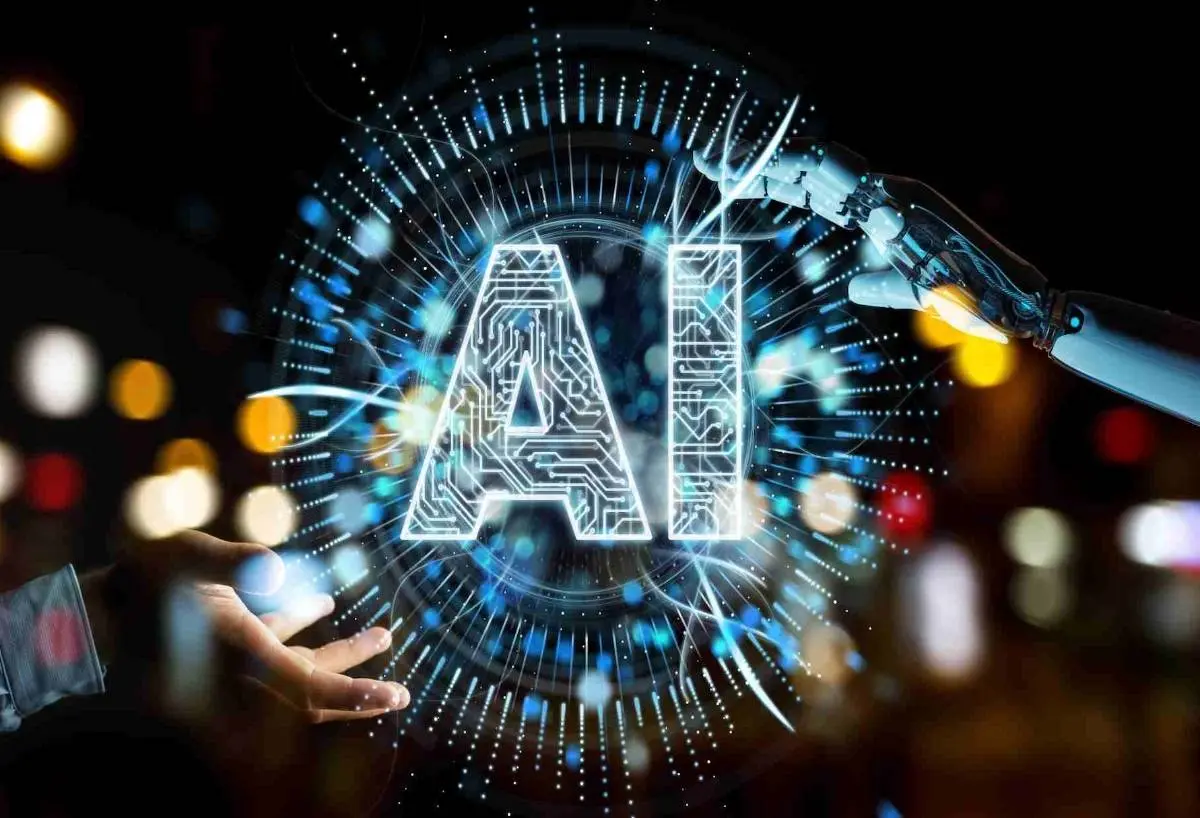
Artificial intelligence, though debated, is rewriting the rules of many industries. The world of two wheels is no exception: while motorcycle innovation has traditionally been measured in physical, aerodynamic, and mechanical terms, today the new battleground is made of algorithms.
AI has left the labs to become an active component of riding. It enables the bike to see, interpret, and decipher not only the surrounding environment, but also its owner and itself.
Predictive safety
An AI-based tool that’s now well known—so widespread (especially in cars) that it transcends the idea of “innovation”: Adaptive Cruise Control (ACC). Artificial intelligence manages the radar that automatically calibrates braking and acceleration based on other vehicles. It’s a tool for managing longitudinal dynamics (speed and the distance ahead), often complemented by Blind Spot Detection (BSD), which alerts you if a vehicle enters your blind spot or is approaching from behind. For complete awareness of the often unpredictable behavior of other vehicles.
Ducati, with the Multistrada V4 S/RS, was among the pioneers. Today we’ve reached the next step: Verge TS Ultra, the Finnish electric superbike, is among the first to feature Starmatter Vision, a system that offers 360° vision. Thanks to AI-managed radar and cameras, the system doesn’t just signal an obstacle—it warns if a vehicle is changing lanes or if a curve is hiding a hazard.
AI to talk with the bike
Artificial intelligence is making communication between rider and bike “human,” almost like talking to a passenger. Kawasaki, for example, has integrated advanced voice recognition systems based on Cerence technology, allowing the rider to interact with the machine and access trip information. It’s an apparently simple voice command mechanism, in which AI plays a key role by filtering wind and engine noise to make commands effective even at high speed.
The smart cloud that learns your riding style
The technology works even with the engine off. The reference here is Zero, whose electric motorcycles use artificial intelligence to optimize battery management in the garage. The system learns the rider’s riding style to provide accurate range estimates and suggest charging cycles that preserve cell chemistry over the long term.
In the saddle with AI: the future of two wheels
If artificial intelligence wraps the present in a futuristic aura, a look at the prototypes projects the future of motorcycling into science fiction. We are moving toward total symbiosis between human and machine, where artificial intelligence turns the motorcycle into an almost living entity, tending toward infallibility. Pushing the revolution toward new horizons are systems like BMW Motorrad Active Assist, capable of learning trajectories and providing suggestions through vibrations or resistance; or Honda’s Riding Assist, designed to prevent low-speed tip-overs thanks to a system that, among other things, instantly corrects lean errors. The revolutionary Yamaha MOTOROiD 2 raises the bar even higher: it’s an “empathetic” prototype that uses AMCES technology to self-balance and stand on its own. Thanks to computer vision, it recognizes the rider and follows them like a pet. Science fiction, indeed, but already made tangible.
Read also
YouTube Channel: CorsedimotoTV
Continue reading
You might also like
More news
Popular articles

Loading