Women in the Saddle in Iran: the government legalizes motorcycle licenses, a symbol of freedom
StoriesWednesday, 04 February 2026 at 19:45
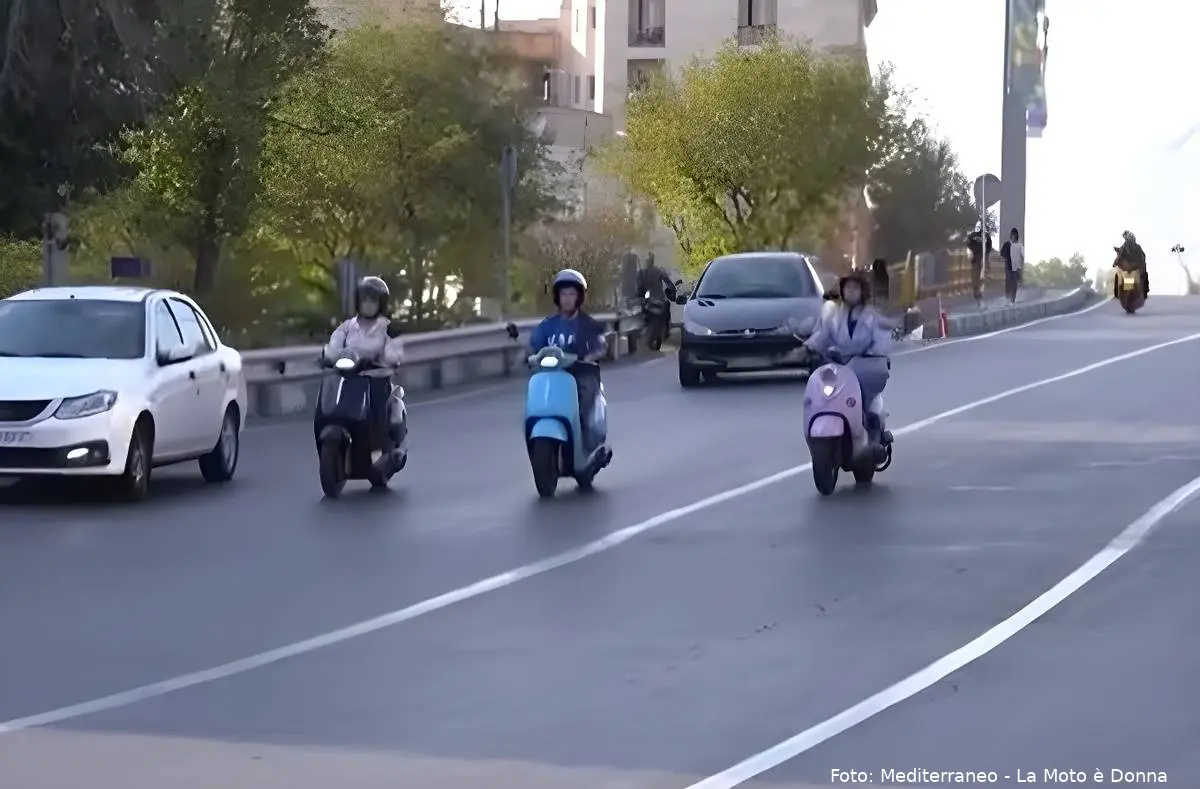
A historic turning point in Iran: motorcycle licenses are now officially available to women as well. Who knows, maybe it’s a beginning...
Motorbikes and scooters, symbols of Iranian women’s struggle for their freedom: vehicles of “rebellion,” but also practical (and much cheaper than cars and fuel) for dealing with heavy traffic, despite restrictions and social taboos. But in early February 2026, so just these days, two-wheelers officially became legal for women: the Tehran government has formally adopted a new policy allowing women to obtain licenses and therefore legally ride motorcycles.
A “silent revolution” by Iranian female riders that has gained more and more ground. It’s a small breakthrough, even though we recall the enforcement of the mandatory hijab law, which since 2024 has introduced heavy fines, prison sentences and, in extreme cases, even the threat of the death penalty for women who defy the dress code. But perhaps this development represents the first of more significant openings in the field of women’s civil rights in the country.
Historic turning point
The situation in the country is rather dramatic; national and international economic and political circumstances are leading the government to exercise greater social caution, at least in part, in an effort to avoid further internal unrest. One example is precisely an opening toward women, who have long since begun to raise their voices to assert their rights. The paradox is that there was no actual legislative ban, yet despite this, it had effectively been in place since as far back as 1979.
In fact, the Traffic Police consistently rejected all applications from women, effectively creating a ban. There was no shortage of pioneers, such as stuntwoman Zahra Abedini or motocross rider Behnaz Shafiei, who had already made important contributions to paving the way in recent years: despite the ban, they openly defied it by riding motorcycles on public roads; Abedini even organizes tours and day trips.
To think that car licenses have long been allowed for women in Iran, yet motorcycle licenses were a real taboo, remaining an officially male-only “privilege.” After a full 47 years, with a resolution signed by First Vice President Mohammad Reza Aref, here comes the change: the Traffic Police will be responsible for training women and issuing legal licenses, with courses and exams conducted by female staff, in order to comply with Islamic regulations. A notable change, even if a small one, in a period rife with social tensions.

Continue reading
You might also like
More news
Popular articles
Loading