Worn-down riders, injuries, and a "marathon" calendar: is the price too high for the MotoGP show?
MotoGP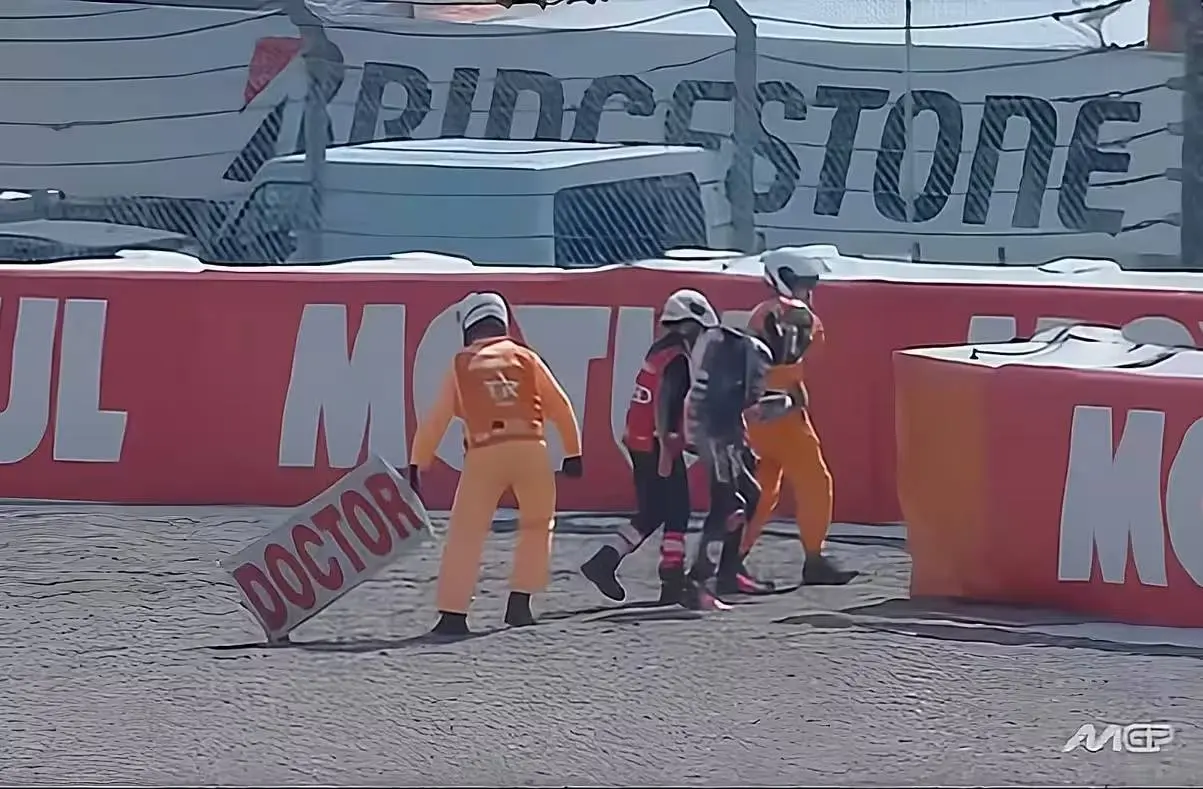
High-priced spectacle? Liberty Media’s strategy squeezes MotoGP riders, multiplies injuries, and could shorten careers...
Is an alarm bell already ringing? The first half of the MotoGP season certainly hasn’t been particularly lucky in terms of physical issues. Sure, some carried problems over from the 2025 championship, but others got hurt right during this period. And with many rounds packed closely together in what Jorge Martin called a “marathon calendar,” there isn’t much time to recover properly, so problems linger longer. Liberty Media wants spectacle, with off-track events too, but isn’t the price at risk of being too high? Maybe it’s time to assess the situation before creating points of no return...
Getting hurt is expensive
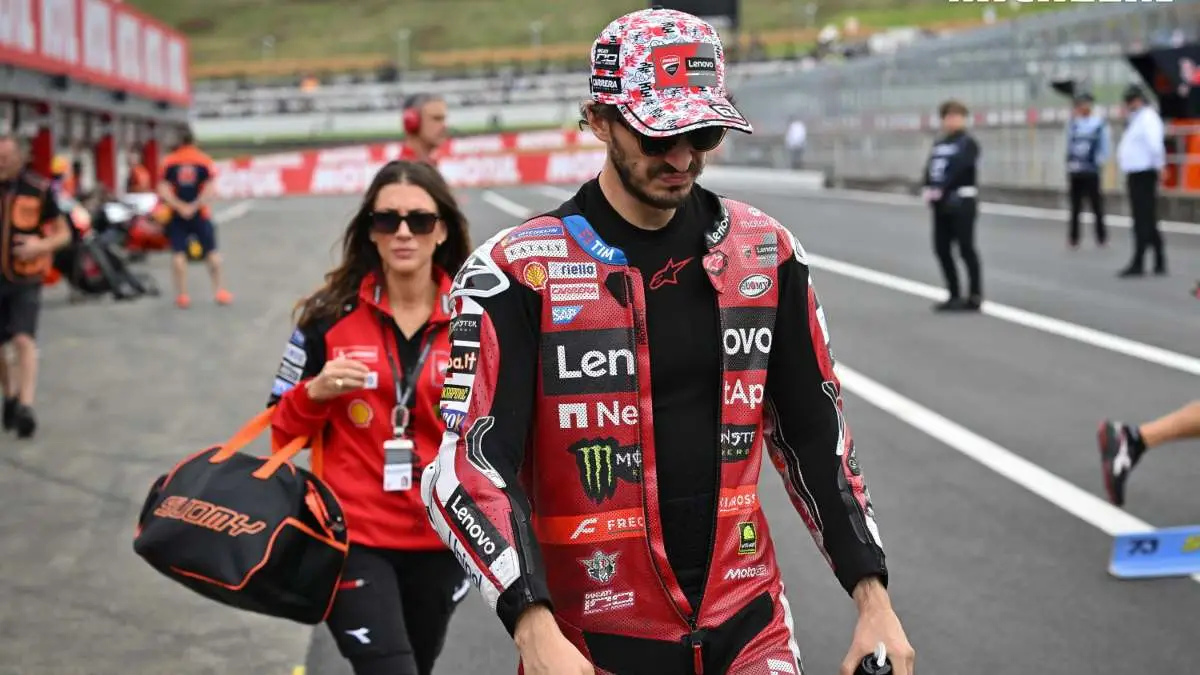
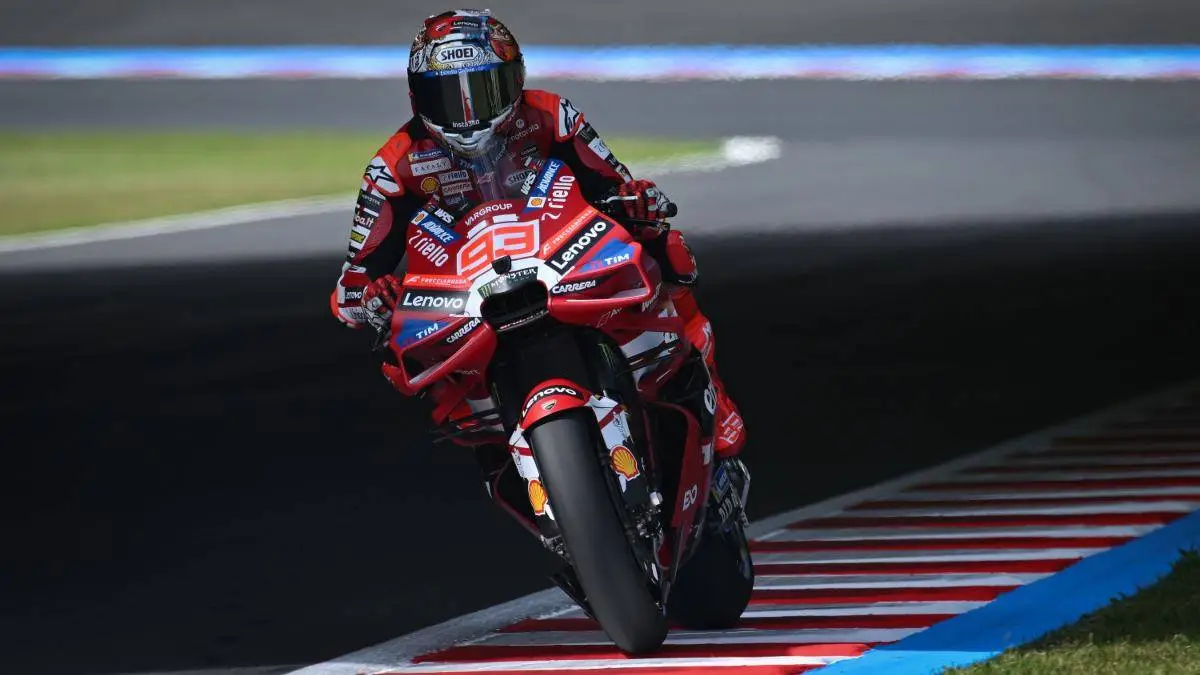
On record, 12 Grands Prix and worrying numbers: around 20 total traumatic episodes, with 9 riders involved and a dozen surgeries. Particularly noteworthy are those of Pedro Acosta and Pecco Bagnaia: carpal tunnel for the former, the same plus compartment syndrome for the latter. Problems caused by none other than the significant physical demands of today’s MotoGP bikes. Excessive strain can lead to inflammation and, as in these cases, more serious situations. Of course, not everything depends on that—there are always “unlucky coincidences”: Alex Marquez and Fabio Di Giannantonio underwent surgery after the terrifying crash in Catalunya, and on the restart we saw another chilling incident with Johann Zarco still sidelined due to knee damage (and only just back on a bike, three months after the crash).
Add that ‘Diggia’ contested the German GP with some physical niggles after the heavy fall in warm-up, as the VR46 rider himself admitted at Silverstone. We haven’t forgotten Marco Bezzecchi’s very nasty crash that resulted in a broken collarbone and a knee injury. Luckily for him, it was the Sachsenring and the summer break was coming up... Fermin Aldeguer should be back at Aragon after the vertebra issue at Assen, and the leg pain from the January injury should finally be behind him too. Then there’s Maverick Vinales with his shoulder still not right since Sachsenring 2025, and of course we can’t forget Marc Marquez, who is still dealing with the right shoulder lesion from the 2025 Indonesian GP. On top of that, as if it weren’t enough, he added a foot fracture at the Le Mans GP—at least that one is now resolved.
Riders aren’t “disposable”
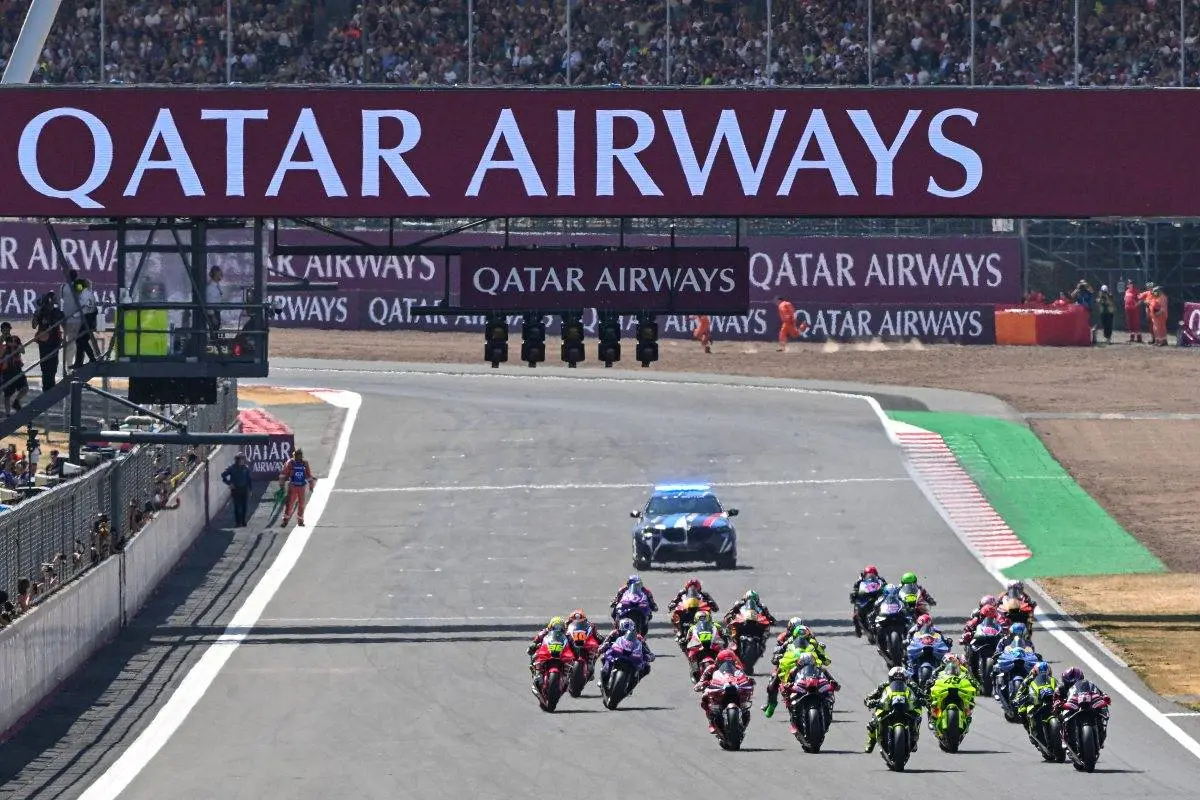
In the past, a crash was part of the job and recovery was an integral part of the season. In recent years, with the addition of Saturday afternoon Sprint races, any absence can cost two races in the same weekend. The championship sometimes resumes after just a few days; in case of injury, it becomes a compromising situation. But it’s not just about the track and the 44 races: travel, training, tests, media duties, sponsors, promotional events, machines that are ever more demanding... MotoGP is a major business that weighs heavily on riders, even more so with Liberty Media’s strategies to boost the show.
But there’s the physical aspect of people to consider and not underestimate. More events mean more “usage” of a rider, and clearly the consequences of fatigue increase. At 350 km/h, you need maximum concentration and reaction times, something a rider can guarantee less and less when more tired. That indirectly raises the chance of situations that can lead to injuries, undermining the very spectacle being sought. The more MotoGP tries to capitalize on its stars, the more it risks wearing them down, with the possible result of much shorter careers.
-> Follow us on Instagram: @Corsedimoto
Continue reading
You might also like
More news
Popular articles
Loading