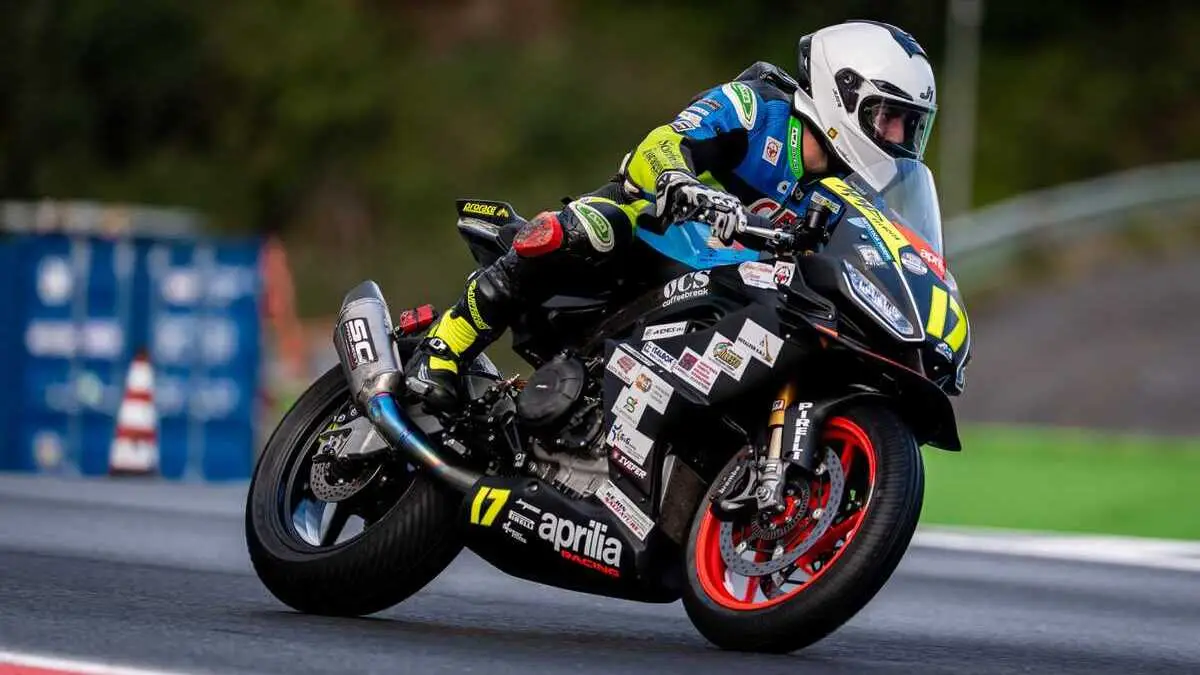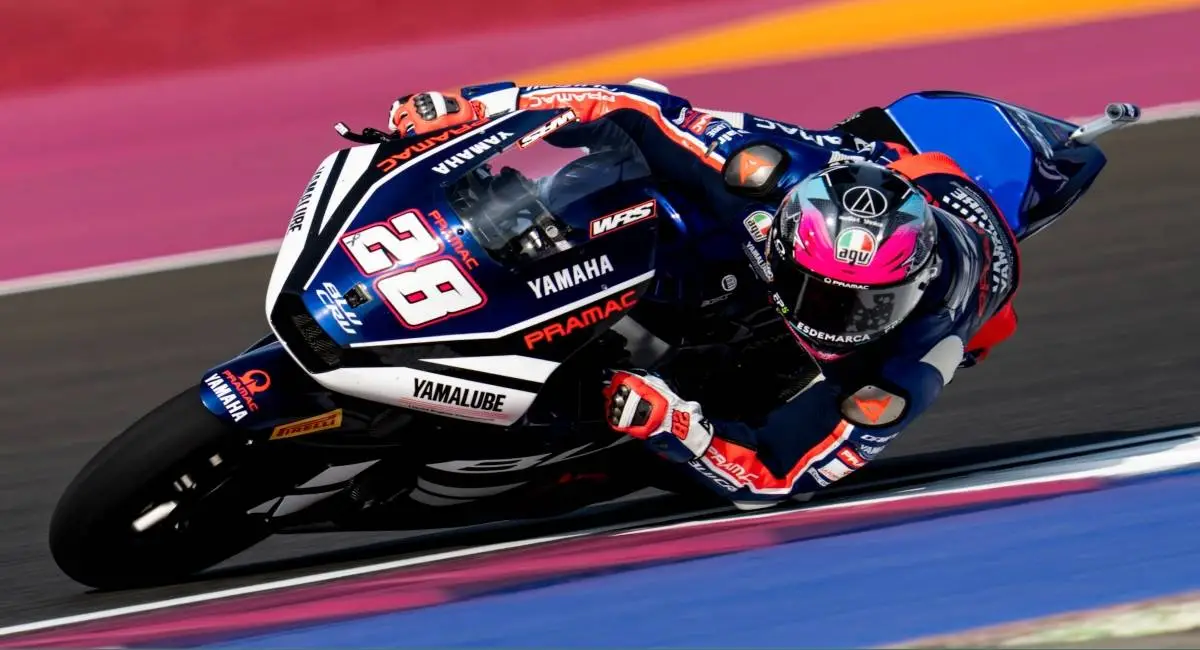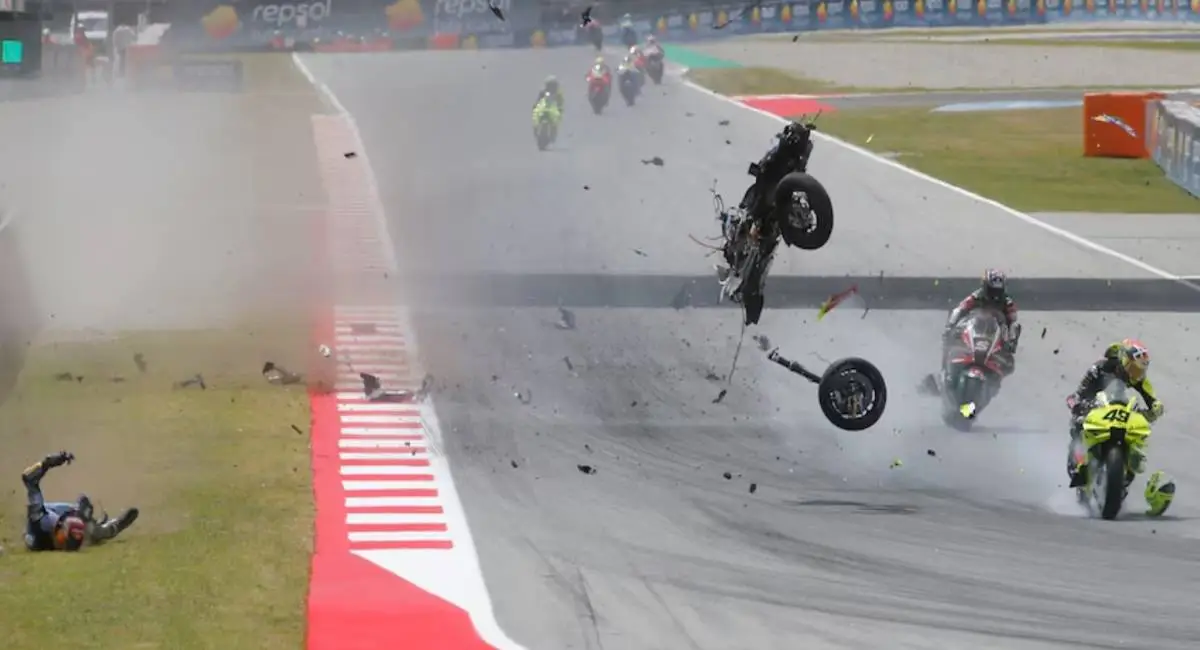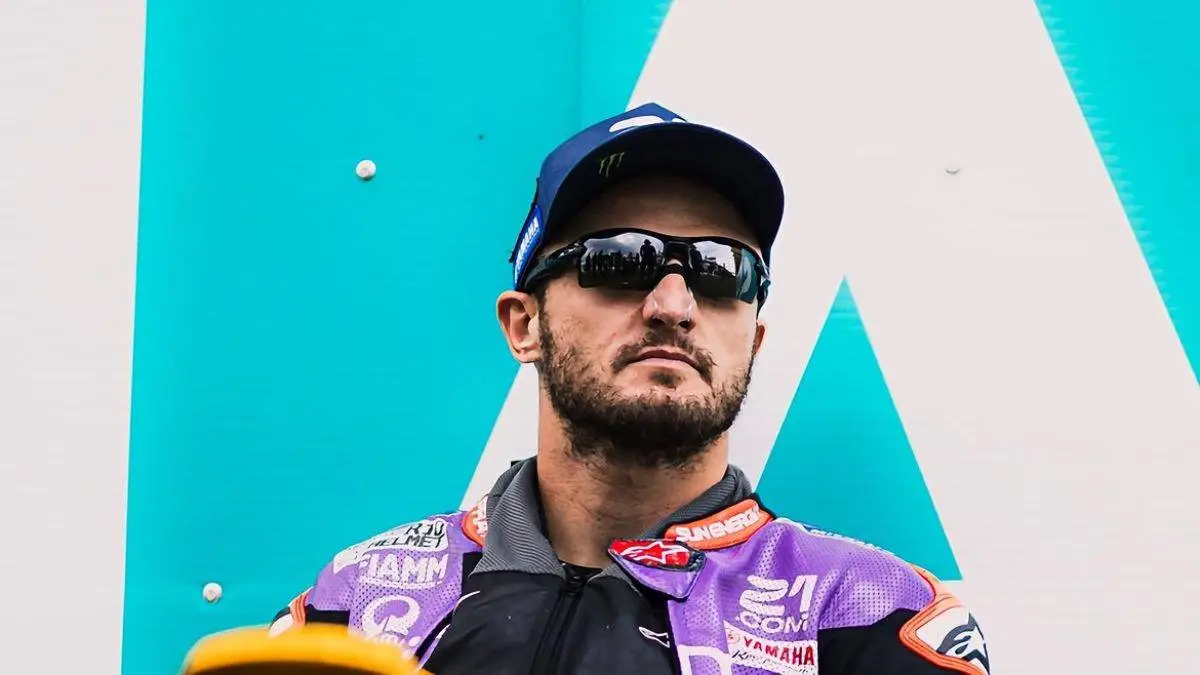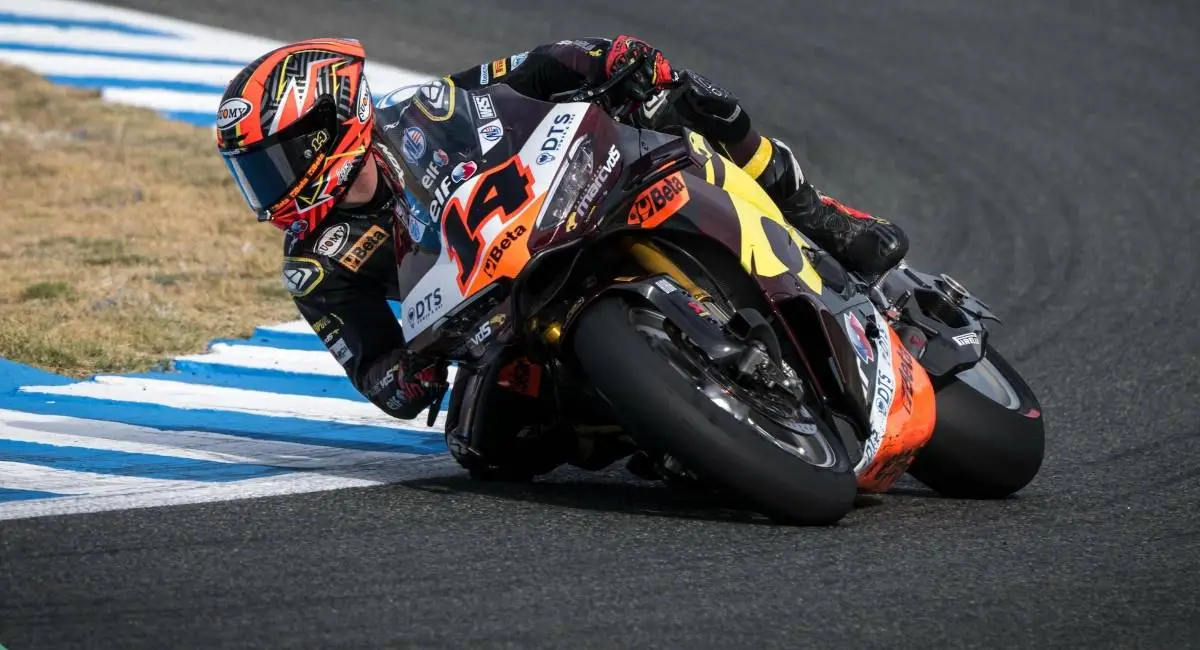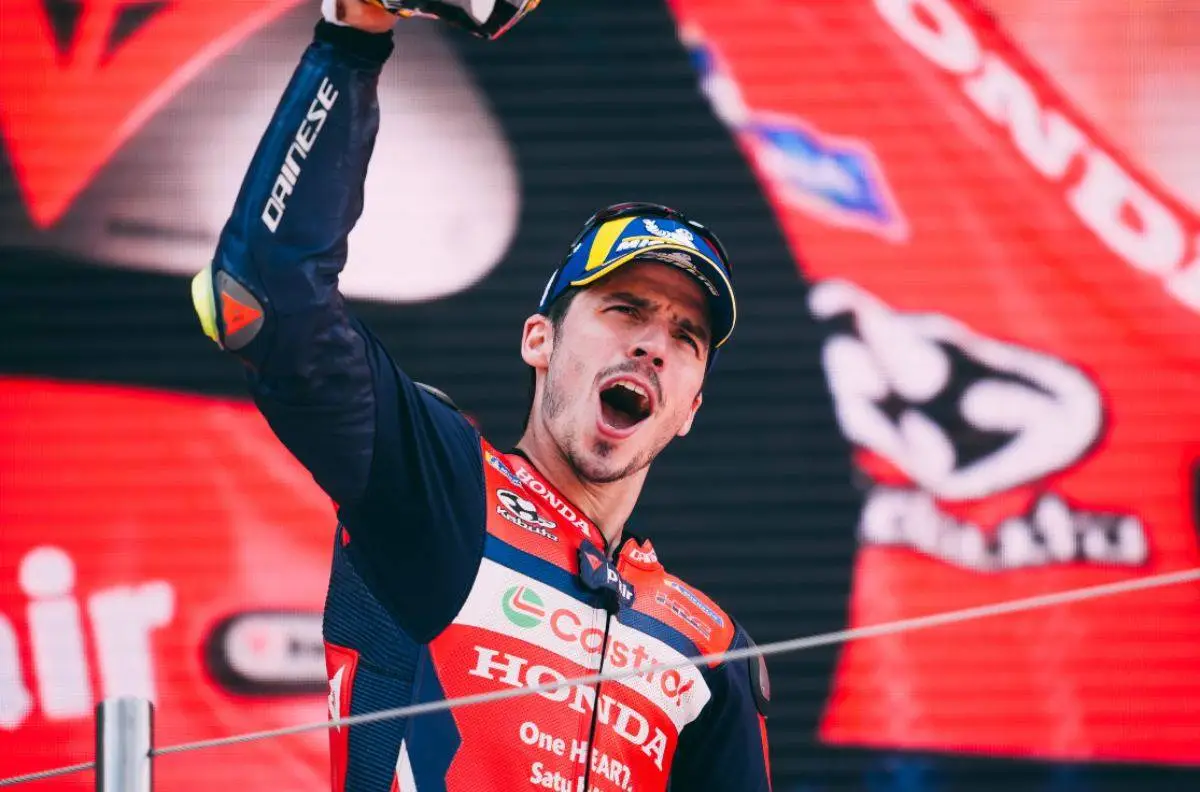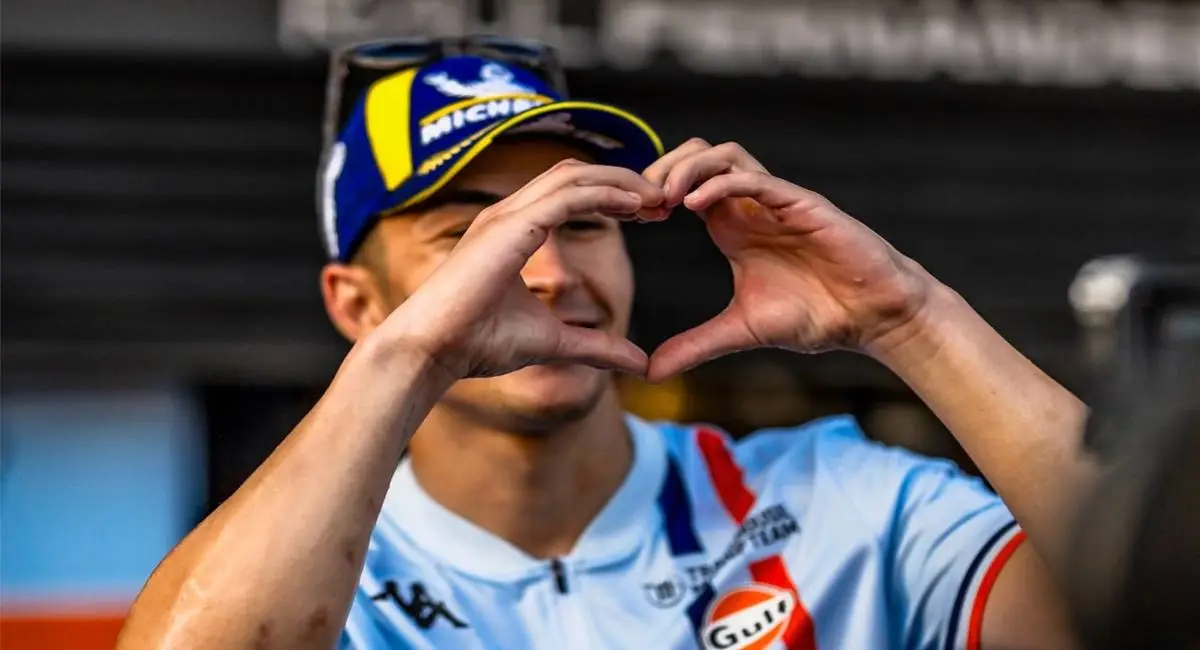
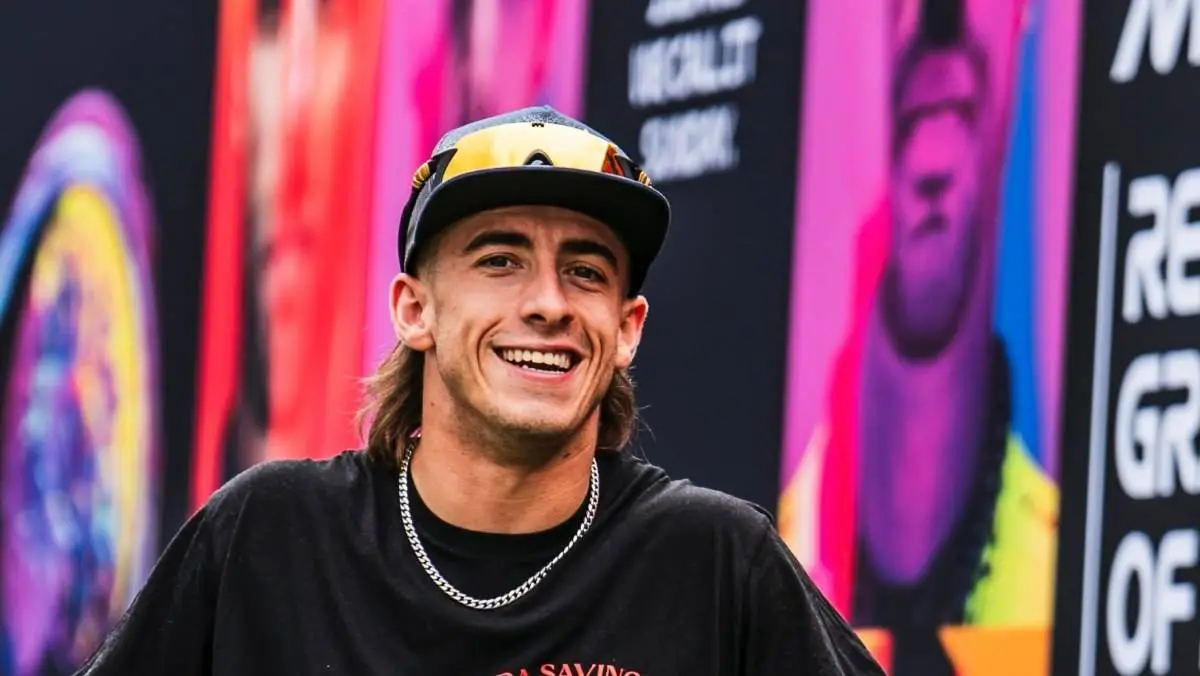
Raul Fernandez’s second place in the Indonesian Grand Prix is worth far more than the finishing order suggests. The Trackhouse rider raced at Mandalika with two fractured fingers, sustained in the Sprint crash, and was forced to change the way he braked to remain competitive. It was an impressive display of adaptability.
On paper, the Spaniard finished behind Marco Bezzecchi, completing a historic Aprilia one-two-three-four. A remarkable result in its own right for Noale’s satellite team. But to achieve it, Fernandez had to adapt one of the most fundamental actions in MotoGP.
The right hand: a weak point
On a MotoGP bike, the right hand has several jobs at once: it controls the throttle, operates the front brake and relays some of the information coming from the bike to the rider. At speeds of over 300 km/h, every movement must be precise, quick and perfectly coordinated.
A finger injury does more than affect a rider’s ability to grip a lever. It can change the force they can apply, their feel for modulation and the way they steady their hand under braking. So this was not simply a matter of enduring the pain: he had to find a different way to repeat the same actions dozens of times per lap without losing control of the bike.

Learning to brake all over again during the race
Modern braking is about more than slowing down: it affects the bike’s stability, its turn-in and the rider’s ability to carry speed to the apex. With his injured hand, Fernandez had to change how he applied the front brake, replacing habits built over years of racing with a solution he could put to use immediately.
A rider’s brain works largely by anticipation, preparing movements before reaching the braking point. Changing how those movements are carried out without losing their speed and line references is an enormous challenge. This adaptability, as much as his physical courage, gives his result added significance
Dovizioso’s expert eye
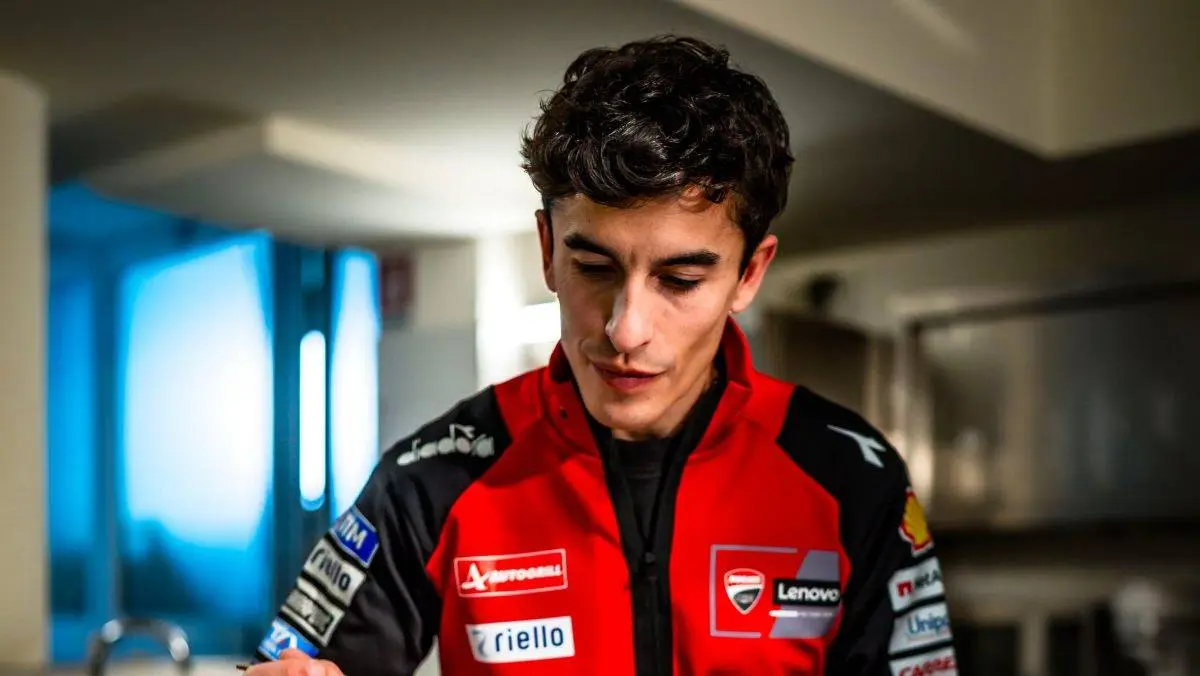
Andrea Dovizioso was quick to recognise the scale of the achievement, having an intimate understanding of the demands of braking in MotoGP. A former rival of Marc Marquez and a master at controlling the Ducati on corner entry, the Forlì native knows how much right-hand precision matters. According to Paddock-GP, he called Fernandez a "phenomenon".
Mandalika’s podium therefore reveals another side of MotoGP: a rider forced to rebuild his instincts in the heat of competition. Now the question is how quickly Fernandez can return to riding without compromise.
-> Follow us on Instagram too: @Corsedimoto
Continue reading
You might also like
More news