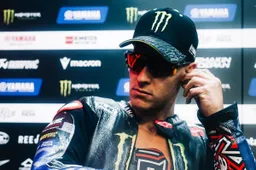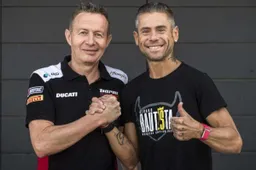
The merciless snapshot was taken by a former rider who, just a few years ago, was winning World Championship races. "We were sex symbols; we went crazy for bikes but also for the girls, who chased after us. Today's riders all look like comic-book characters; there's no more eros in the paddock—they all seem like little robots."
It's the same feeling long-time paddock regulars have. Motorcycling and its champions were always sensual—no longer?
Giacomo Agostini, the ultimate sex symbol
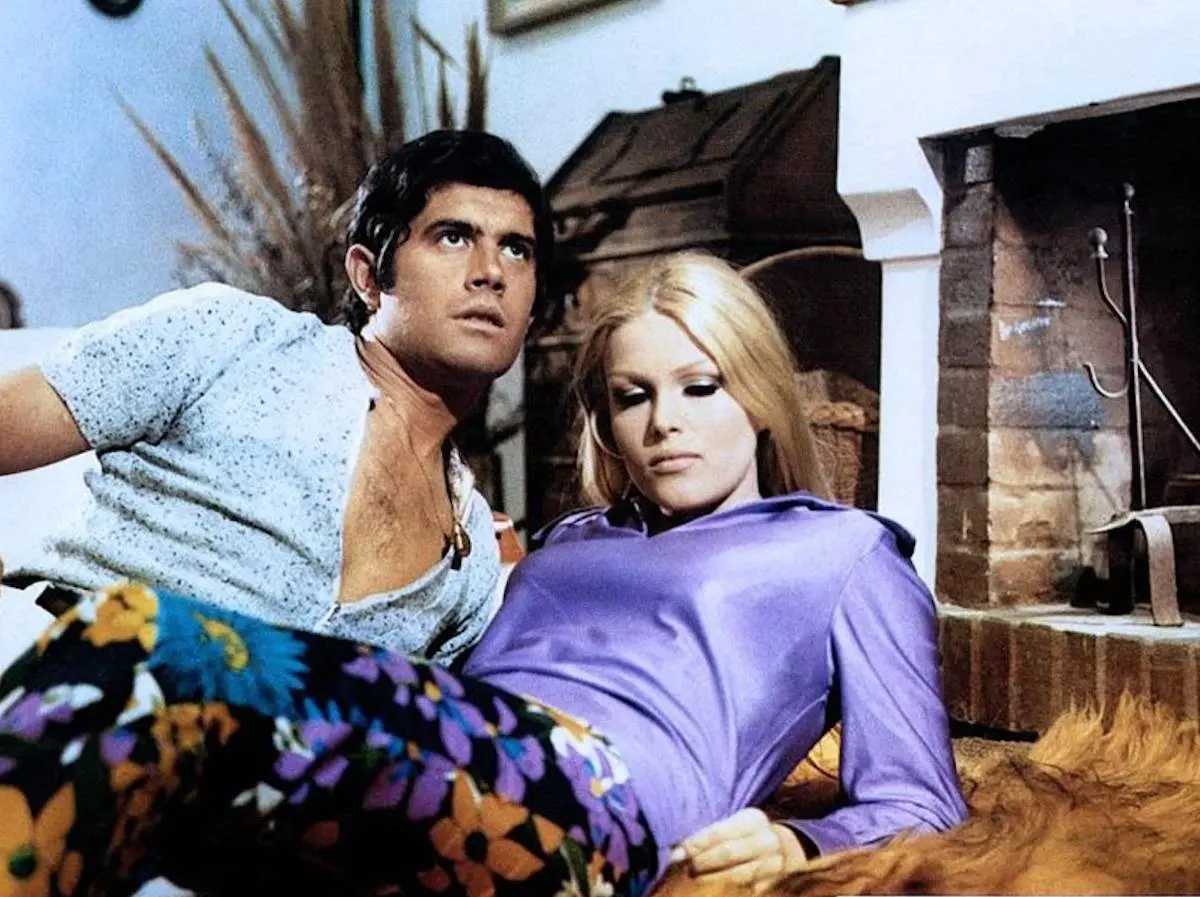
Take Giacomo Agostini: he wasn’t just the most successful rider of all time, with his fifteen World Championships. In his era, he was also a global sex symbol and the erotic dream of millions of girls in many countries. In Italy, Ago was hugely popular in “fotoromanzi,” a narrative genre illustrated with photographs and dialogue, similar to a comic but with real photos. They were made-up stories in which Giacomo played himself, a rider at the center of attention from stunning women. Ago also starred as the lead actor in three racing films between 1970 and ’71, at the peak of his sporting career. In two of these, he even took on the role of a car driver; another one, “Bolidi sull’asfalto a tutta birra,” was set in the motorcycle world. A story of rivalry, crashes, and above all, love. Agostini was directed by Bruno Corbucci, one of the most famous directors of Italian comedy in the ’70s and ’80s, best known for the Bud Spencer and Terence Hill saga.
Everything changed with Valentino Rossi
Ago was the big star, but many of his rivals also had rock-hewn personalities, adored by female fans. After Giacomo came Barry Sheene: a superstar with a very hippie vibe, always in the jet set amid helicopters (which he piloted), Rolls-Royces, and gorgeous women. His longtime partner, Stefanie McLean, became an icon of the 500 in the ’80s.
Valentino Rossi marked the watershed between the sex-symbol riders of the past and those of today; with him, the portrayal of the star rider changed completely. Valentino hit the mark because he became everyone’s rider, even moms’ and grandmas’. More of a comic-book hero than a serial seducer. The flings the tabloids attributed to him are rare and insignificant. Rossi was linked less to beautiful women and more to his “crew” of childhood friends who later became his closest collaborators, led by Uccio Salucci and Alberto Tebaldi.
Max Biaggi, the last of the line
Valentino Rossi was so far removed from the usual role of the “heartbreaker rider” that he poked fun at Max Biaggi with the famous gag of the Claudia Schiffer-lookalike inflatable doll paraded around after a Mugello victory. As if to say: he’s old school, he dates supermodels; I’m different. In fact, Max, like the great champions of the past, made headlines for having one girlfriend more beautiful and famous than the next. After him, a desert: today’s famous riders all have girlfriends or wives, almost always quiet presences with minimal footprint. They’re great guys—and the antithesis of the Latin lover.
When we were kings
For decades, racing was also told by drawing heavily on tales of riders surrounded by gorgeous women amid a thousand intrigues of sex or love. What’s more, until recently the paddock was like a small provincial town—there were all kinds of stories, even if almost all of them (fortunately...) remained closely guarded under the silent pact among riders, technicians, and insiders. Stories straddling reality and fantasy are told—of riders’ wives shut in motorhomes with a lover during their husbands’ practice sessions. Some riders, even very successful ones, had “friends” they met once a year, during the GP in her country. Others knew like the back of their hand all the special venues near the circuits. In Superbike, Sunday night parties often ended in red lights.
Today’s riders go to bed early—or stay up late on the PlayStation with friends.
Continue reading
You might also like
More news
Popular articles
Loading