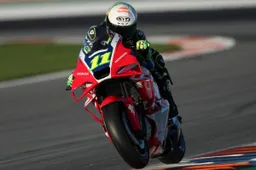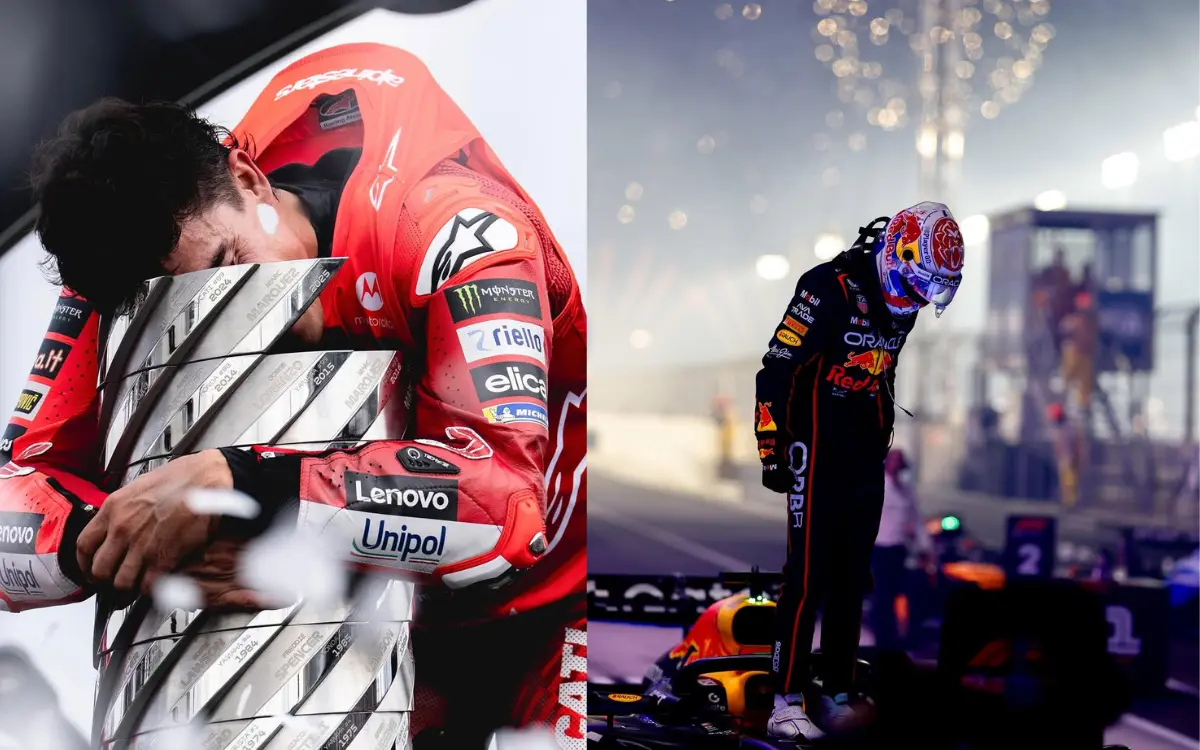
Formula 1 has given its fans yet another legendary finale, MotoGP went on ice with five GPs to spare, and the last races were a general yawn.
Now that both are owned by the same parent company, the American giant Liberty Media, comparing the two pinnacle series of car and motorcycle racing is no longer an exercise with no purpose. As of today, the gap between the two formats is vast. The four-wheel world, of course, has very different fundamentals: the budgets of major auto giants aren’t even comparable to those in motorcycle racing. But ten years ago, despite the money, Formula 1 was still a championship in crisis, a series for older enthusiasts. So why is it now sold out everywhere, with TV rights through the roof and people— even those who don’t follow motorsport—watching with interest?
Formula 1 has a formidable storyline
Let’s set aside for a moment the marketing, the budgets, the economic might. Let’s talk about the “story,” meaning the narrative foundations that a global sport offers to the “market,” i.e., to those who follow it. The fact that three drivers and two different teams arrived to fight for the World Championship over the 316 kilometers of the final GP depended on various circumstances that can’t be “programmed” at the drawing board. If McLaren hadn’t suffered excessive floor wear in Las Vegas, leading to the disqualification of both Lando Norris and Oscar Piastri, and if last week in Qatar their strategy hadn’t been a disaster, the championship would already be over. But it isn’t, and the three-way final showdown is served on a platter. Exploiting and enhancing the sporting themes in the best possible way is a skill that Formula 1 is riding, while MotoGP is not at all. What’s the difference?
Man vs machine: simple but formidable
The Abu Dhabi GP was presented with a claim as simple as it was effective: the most talented driver of this era, Max Verstappen, with four world titles already won, against the technical potential of the McLaren starship, which instead is banking on two young drivers who, for the first time, find themselves in a position to become champions. But above all, over the course of the season they’ve made plenty of blunders, despite driving the best car. Formula 1 is leaning hard into one of the most enduring themes in the sport’s century-long history: does the man matter more, or the technology?
The target is the general audience
Man versus machine is a simple concept, perfectly within reach of a general audience that certainly doesn’t know that Formula 1 cars have 1.6-liter V6 power units, the additional power of the MGU-K (kinetic energy recovery), MGU-H (thermal energy recovery), DRS (a movable rear wing to aid overtaking), and space-race aerodynamics. Formula 1 focuses on characters, personalities, and rivalries that aren’t hidden but showcased. Verstappen hinting at George Russell in a press conference by calling him “the Snitch” is straight out of the movies.
And MotoGP?
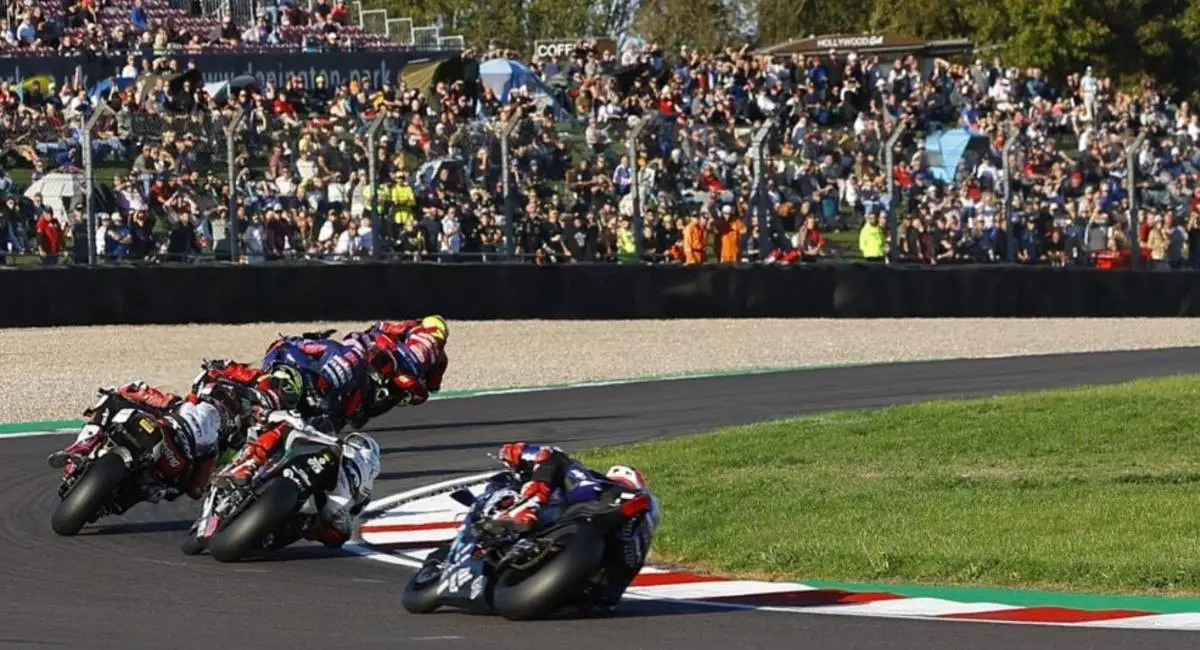
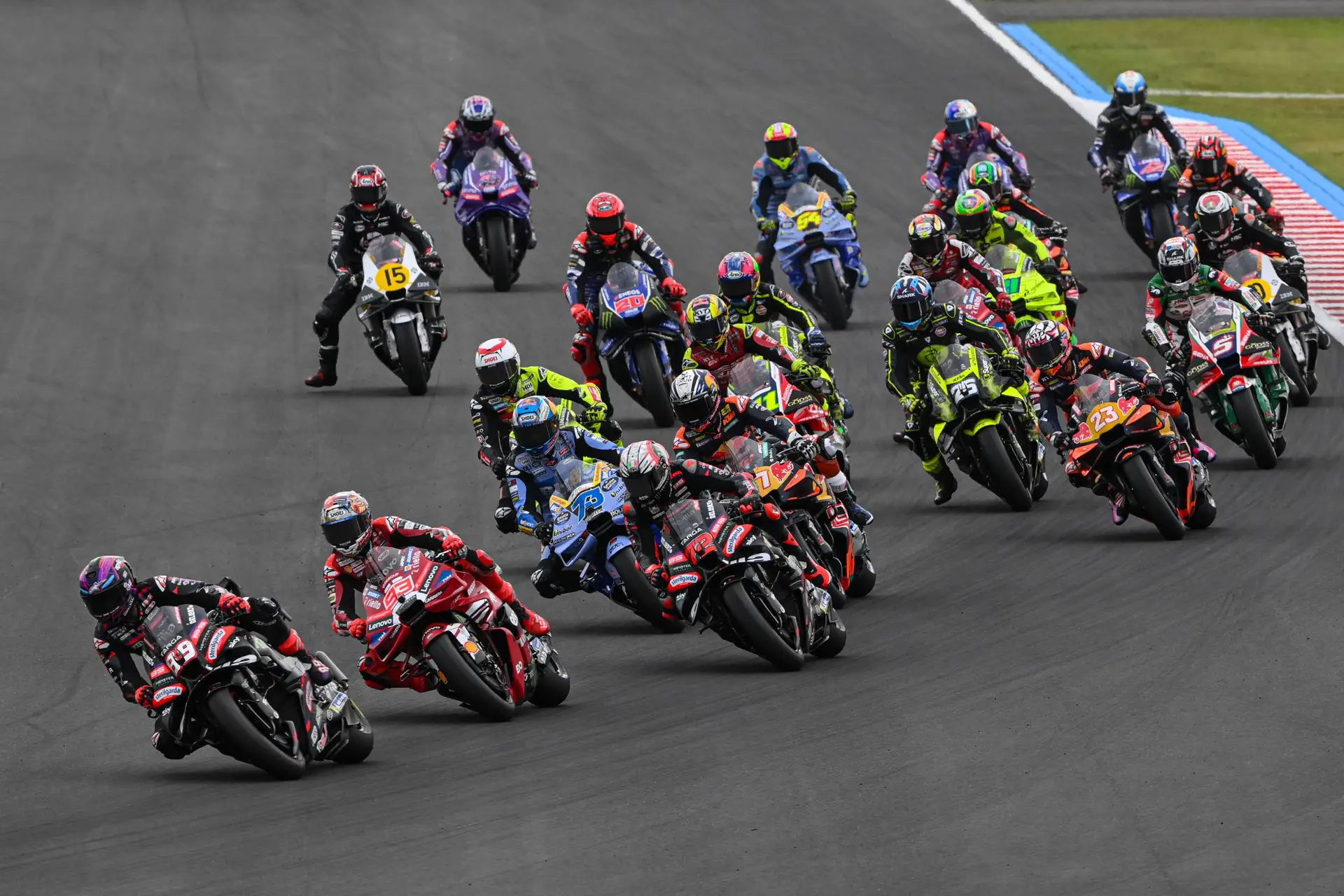
Quite the opposite. In the motorcycle top class, riders are now presented and “sold” to sponsors and TV networks paying hefty rights as “nice guys,” all friends and politically correct. And to think that motorcyclists—if only because they risk their skin every time—would be perceived “by nature” in the collective imagination as much braver, tougher, and more fascinating characters than their Formula 1 counterparts. Moreover, MotoGP makes the tragic mistake of portraying itself as “the pinnacle of technology.” So you turn on the TV and get hit with hours and hours of debates on wings, ride-height devices, electronics, and tires. Imagine what the “general public” can make of that, for whom the motorcycle as an object already seems “unusual,” while the car is the norm.
The perverse role of TV
With sky-high budgets and therefore a steering power that bikes lack, Formula 1 has full control over the “story.” Look at SKY Italia: for years it banked on Ferrari, painting anything that wasn’t red as the “opponent” or “enemy.” Max Verstappen was portrayed, until three months ago, as “cold,” “ruthless”—in short, the villain of the story. But when the Dutchman’s mega comeback became the ratings saver, coinciding with the abyss into which Ferrari plunged, the narrative line changed dramatically. Now Max is the “greatest,” the only one who, with an inferior Red Bull, can try to flip the table until the final race.
MotoGP? The opposite...
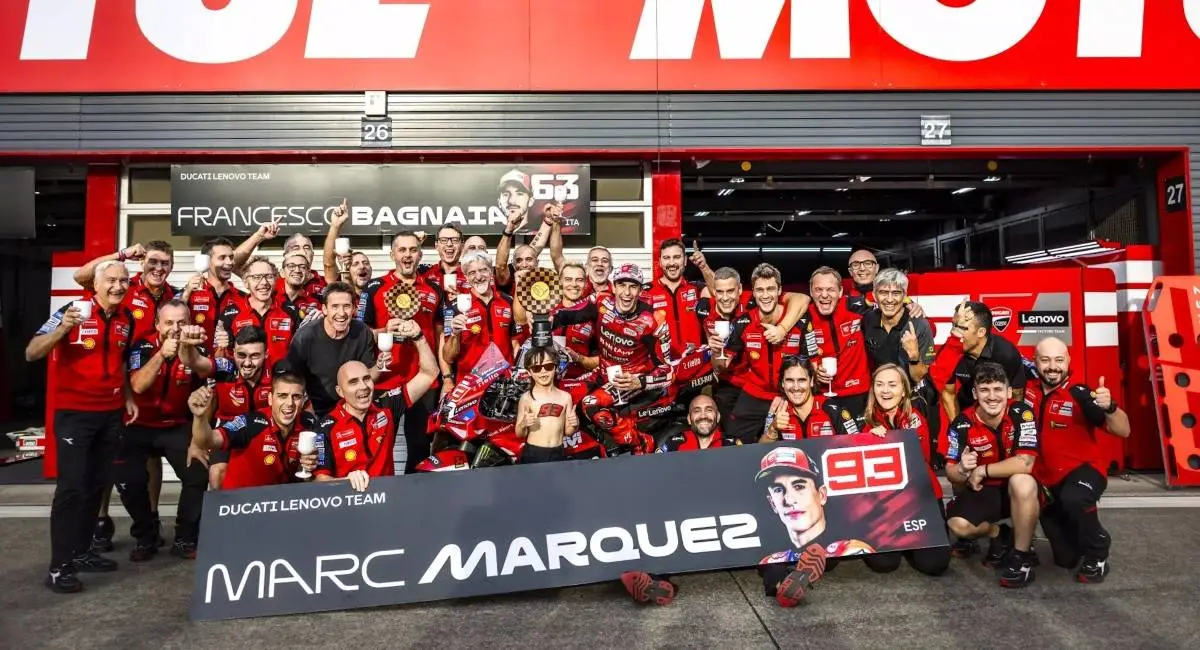
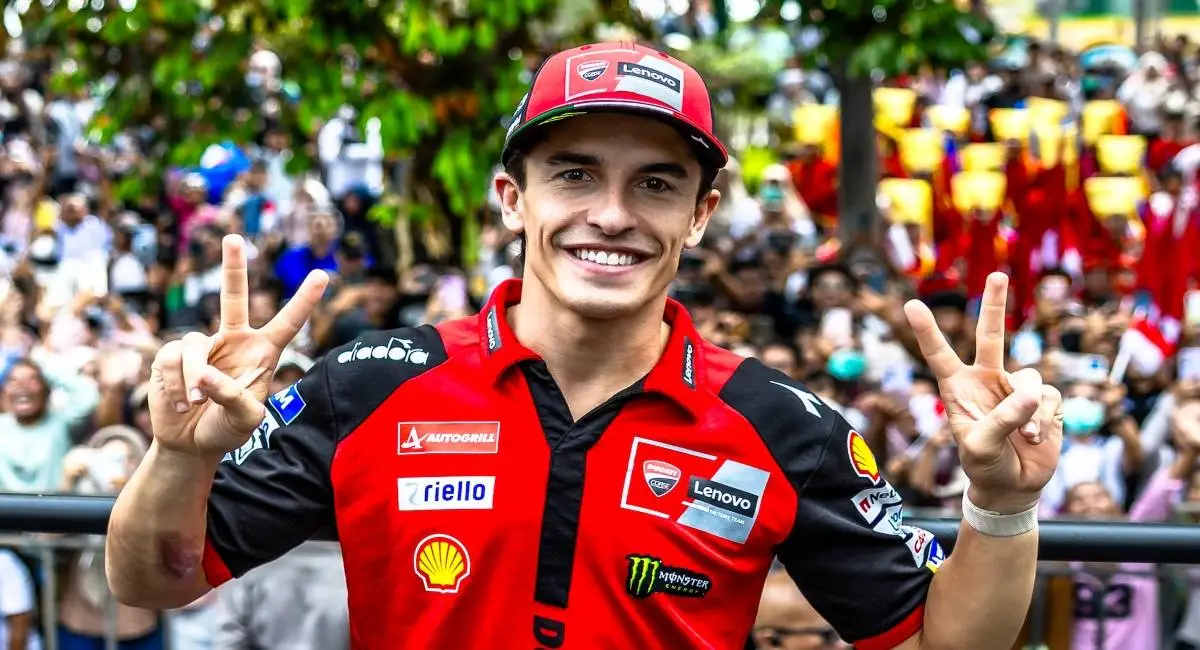
In MotoGP, SKY Italia rode the golden goose of Valentino Rossi for years, but he hasn’t won a World Championship since 2009, took his last victory in 2017, and retired four years ago. And yet it’s as if he were still there, to the point that Marc Marquez, the only true star of modern motorcycling, is still portrayed as the “bad guy,” the “unsportsmanlike one,” the one who “gets in the way,” adhering to the Valentino-centric narrative following the on-track events of the now distant 2015. This year, in the face of the Spaniard’s overwhelming dominance, Ducati’s technical superiority was brought up, which, once MM93 was gone, suddenly stopped dominating. In short, the very figure who should be highlighted, exalted, celebrated is constantly played down.
Many things will change
How can the gap between MotoGP and Formula 1 be closed? This is surely the question hovering in Liberty Media’s boardrooms. The easiest way will be to export the model that works. To engage major global sponsors—brands aimed at a general audience that already invest in Formula 1—the narrative line will need to change completely. Easy to say, incredibly hard to do. It will take investment, new ideas, new people, different choices. It will be very intriguing to witness this profound revolution.
Continue reading
You might also like
More news
Popular articles
Loading